







Understanding Phase Change Heating: Revolutionizing Renewable Energy
2026-04-20
Phase change heating is an innovative technology that leverages the principles of phase change materials (PCMs) to provide effective thermal management solutions. In essence, these materials absorb and release thermal energy during phase transitions, such as from solid to liquid or vice versa. This unique attribute makes phase change heating particularly valuable in various applications, including
Phase change heating is an innovative technology that leverages the principles of phase change materials (PCMs) to provide effective thermal management solutions. In essence, these materials absorb and release thermal energy during phase transitions, such as from solid to liquid or vice versa. This unique attribute makes phase change heating particularly valuable in various applications, including the metallurgy and mining industries, where temperature control is crucial for optimizing processes and ensuring energy efficiency.
One of the primary advantages of utilizing phase change heating within renewable energy systems is its ability to store and release energy in a controlled manner. By integrating PCMs into systems, industries can take advantage of excess thermal energy generated during peak hours, such as during sunny days when solar energy production is at its highest. This stored energy can later be utilized during periods of low energy production, thereby improving overall efficiency and reducing reliance on non-renewable energy sources.
In the context of metallurgy and mining, phase change heating can play a significant role in smelting and refining processes. These processes often require precise temperature control to ensure the quality and integrity of the final products. By implementing phase change materials, companies can create systems that maintain consistent temperatures, reduce energy consumption, and minimize waste. The ability to manage thermal energy more effectively can lead to substantial cost savings and improved operational efficiency.
Moreover, phase change heating supports sustainability efforts by reducing the carbon footprint associated with energy consumption. As industries increasingly focus on sustainable practices and reducing environmental impacts, the adoption of phase change materials represents a forward-thinking approach. It not only aligns with global energy transition goals but also enhances competitiveness in an industry that is rapidly evolving towards greener technologies.
Additionally, ongoing research and development in the field of phase change materials are expanding their applicability and performance. Innovations in material science are leading to the creation of more efficient and versatile PCMs that can operate effectively across a range of temperatures and conditions. This advancement is essential for industries that require robust and reliable thermal management solutions.
In conclusion, phase change heating is a transformative technology in the realm of renewable energy, particularly for the metallurgy and mining sectors. Its ability to store and release thermal energy efficiently offers a pathway to enhanced energy management, sustainability, and cost-effectiveness. As industries continue to embrace innovative solutions to meet environmental challenges, phase change heating stands out as a promising avenue for achieving these goals. Embracing this technology can not only improve operational efficiency but also contribute to a more sustainable future.
One of the primary advantages of utilizing phase change heating within renewable energy systems is its ability to store and release energy in a controlled manner. By integrating PCMs into systems, industries can take advantage of excess thermal energy generated during peak hours, such as during sunny days when solar energy production is at its highest. This stored energy can later be utilized during periods of low energy production, thereby improving overall efficiency and reducing reliance on non-renewable energy sources.
In the context of metallurgy and mining, phase change heating can play a significant role in smelting and refining processes. These processes often require precise temperature control to ensure the quality and integrity of the final products. By implementing phase change materials, companies can create systems that maintain consistent temperatures, reduce energy consumption, and minimize waste. The ability to manage thermal energy more effectively can lead to substantial cost savings and improved operational efficiency.
Moreover, phase change heating supports sustainability efforts by reducing the carbon footprint associated with energy consumption. As industries increasingly focus on sustainable practices and reducing environmental impacts, the adoption of phase change materials represents a forward-thinking approach. It not only aligns with global energy transition goals but also enhances competitiveness in an industry that is rapidly evolving towards greener technologies.
Additionally, ongoing research and development in the field of phase change materials are expanding their applicability and performance. Innovations in material science are leading to the creation of more efficient and versatile PCMs that can operate effectively across a range of temperatures and conditions. This advancement is essential for industries that require robust and reliable thermal management solutions.
In conclusion, phase change heating is a transformative technology in the realm of renewable energy, particularly for the metallurgy and mining sectors. Its ability to store and release thermal energy efficiently offers a pathway to enhanced energy management, sustainability, and cost-effectiveness. As industries continue to embrace innovative solutions to meet environmental challenges, phase change heating stands out as a promising avenue for achieving these goals. Embracing this technology can not only improve operational efficiency but also contribute to a more sustainable future.
Key words:
Related News
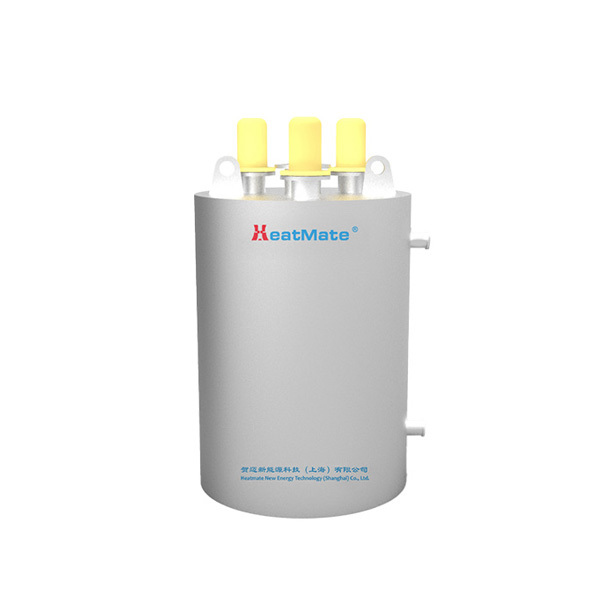
Understanding the Role of Steam Hot Pools in Renewable Energy Applications
Steam hot pools, often associated with geothermal energy, play a critical role in various industries, including metallurgy and mining. These natural hot springs can be harnessed for their thermal energy, presenting an eco-friendly alternative to traditional energy sources. The essence of steam hot pools lies in their ability to produce steam through natural geothermal processes, which can be effec
2026-06-09
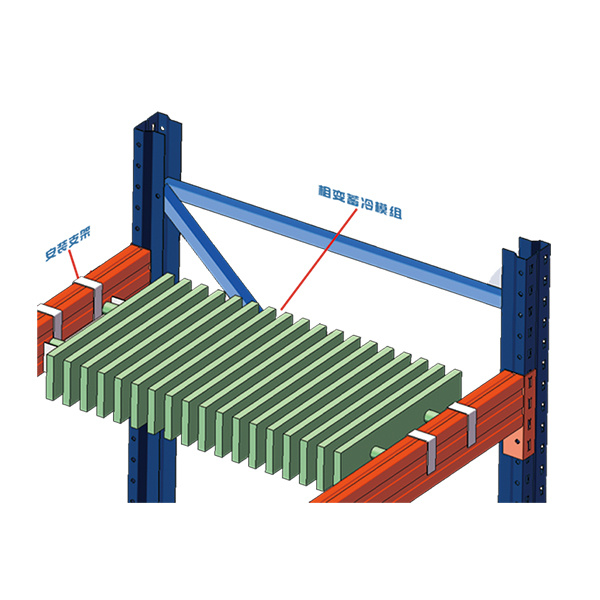
Maximizing Renewable Energy Use with Phase Change Cold Storage Systems: A Comprehensive Guide
Maximizing Renewable Energy Use with Phase Change Cold Storage Systems
Introduction to Renewable Energy and Cold Storage Technologies
The transition towards renewable energy sources is not just an environmental necessity but also an economic opportunity. As industries increasingly seek sustainable solutions, the integration of **phase change cold storage systems** (PCCSS) emerges as a pivotal st
2026-06-04
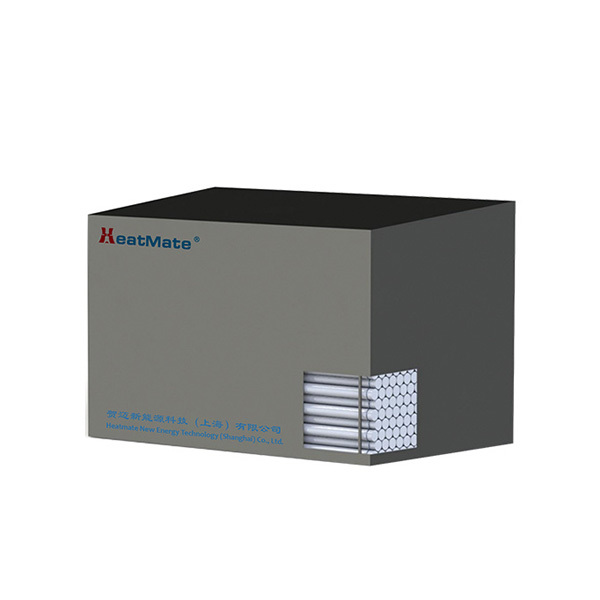
Understanding Phase Change Heating: Innovative Solutions for Renewable Energy
Phase change heating is a fascinating concept that revolves around the use of phase change materials (PCMs) to store and release thermal energy. These materials undergo a phase transition—typically from solid to liquid or vice versa—at a specific temperature, which allows them to absorb or release heat effectively. In the context of metallurgy and renewable energy, phase change heating offers inno
2026-05-30

Service Hotline:

Shanghai (Headquarters)
398 Songying Road, Qingpu District, Shanghai


Online message
Links: Sunman New Energy | CATL | State Grid | HeatMate New Energy Technology (Hong Kong) Co., Ltd.