







Understanding the Role of Steam Hot Pools in Renewable Energy Applications
2026-06-09
Steam hot pools, often associated with geothermal energy, play a critical role in various industries, including metallurgy and mining. These natural hot springs can be harnessed for their thermal energy, presenting an eco-friendly alternative to traditional energy sources. The essence of steam hot pools lies in their ability to produce steam through natural geothermal processes, which can be effec
Steam hot pools, often associated with geothermal energy, play a critical role in various industries, including metallurgy and mining. These natural hot springs can be harnessed for their thermal energy, presenting an eco-friendly alternative to traditional energy sources. The essence of steam hot pools lies in their ability to produce steam through natural geothermal processes, which can be effectively utilized for numerous applications in renewable energy sectors.
In the context of metallurgy, steam from hot pools can be employed for the extraction and processing of minerals. The use of steam can enhance the efficiency of operations by providing a consistent and reliable heat source. This method not only reduces reliance on fossil fuels but also minimizes carbon emissions associated with conventional mining processes. By integrating steam hot pool technology, companies can significantly improve their energy efficiency and sustainability practices.
Additionally, steam hot pools are particularly beneficial in enhancing the safety and environmental performance of mining operations. The use of steam heating can eliminate the need for hazardous chemicals often involved in mineral processing, leading to a safer workplace. Moreover, with the increasing pressure on industries to adopt greener practices, leveraging geothermal energy through steam hot pools aligns well with global sustainability goals.
The potential of steam hot pools extends beyond mining and metallurgy. In the broader renewable energy landscape, they can contribute to district heating systems, where the steam produced can be utilized for heating residential and industrial spaces. This not only provides a sustainable heat source but also reduces the energy demand from conventional power plants.
Furthermore, steam hot pools can support energy production through enhanced geothermal systems (EGS). The extraction of heat from these natural resources can be transformed into electricity, offering a clean and renewable energy source. The scalability of such systems allows for adaptability in various settings, making them a versatile solution for meeting the growing energy demands.
In conclusion, steam hot pools present a promising avenue for innovation within the metallurgical and mining industries, as well as the broader renewable energy sector. By harnessing the inherent power of geothermal energy, companies can improve their operational efficiency, reduce environmental impact, and contribute to sustainable development. Embracing technologies that utilize steam hot pools can pave the way for a greener future in energy production and resource extraction.
In the context of metallurgy, steam from hot pools can be employed for the extraction and processing of minerals. The use of steam can enhance the efficiency of operations by providing a consistent and reliable heat source. This method not only reduces reliance on fossil fuels but also minimizes carbon emissions associated with conventional mining processes. By integrating steam hot pool technology, companies can significantly improve their energy efficiency and sustainability practices.
Additionally, steam hot pools are particularly beneficial in enhancing the safety and environmental performance of mining operations. The use of steam heating can eliminate the need for hazardous chemicals often involved in mineral processing, leading to a safer workplace. Moreover, with the increasing pressure on industries to adopt greener practices, leveraging geothermal energy through steam hot pools aligns well with global sustainability goals.
The potential of steam hot pools extends beyond mining and metallurgy. In the broader renewable energy landscape, they can contribute to district heating systems, where the steam produced can be utilized for heating residential and industrial spaces. This not only provides a sustainable heat source but also reduces the energy demand from conventional power plants.
Furthermore, steam hot pools can support energy production through enhanced geothermal systems (EGS). The extraction of heat from these natural resources can be transformed into electricity, offering a clean and renewable energy source. The scalability of such systems allows for adaptability in various settings, making them a versatile solution for meeting the growing energy demands.
In conclusion, steam hot pools present a promising avenue for innovation within the metallurgical and mining industries, as well as the broader renewable energy sector. By harnessing the inherent power of geothermal energy, companies can improve their operational efficiency, reduce environmental impact, and contribute to sustainable development. Embracing technologies that utilize steam hot pools can pave the way for a greener future in energy production and resource extraction.
Key words:
Related News
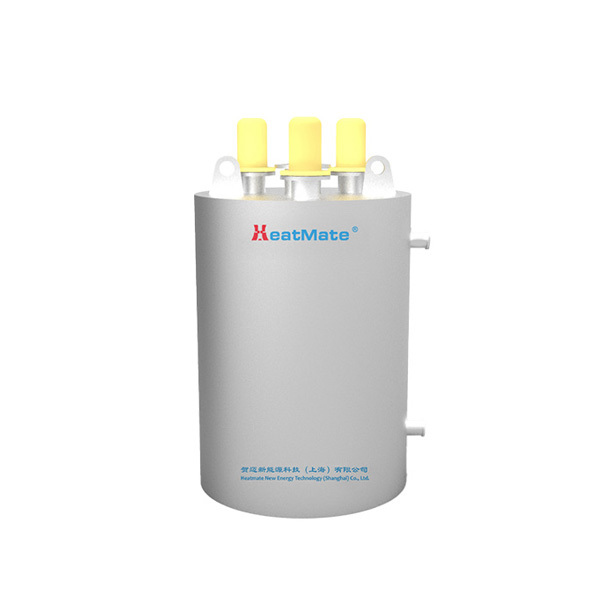
Understanding the Role of Steam Hot Pools in Renewable Energy Applications
Steam hot pools, often associated with geothermal energy, play a critical role in various industries, including metallurgy and mining. These natural hot springs can be harnessed for their thermal energy, presenting an eco-friendly alternative to traditional energy sources. The essence of steam hot pools lies in their ability to produce steam through natural geothermal processes, which can be effec
2026-06-09
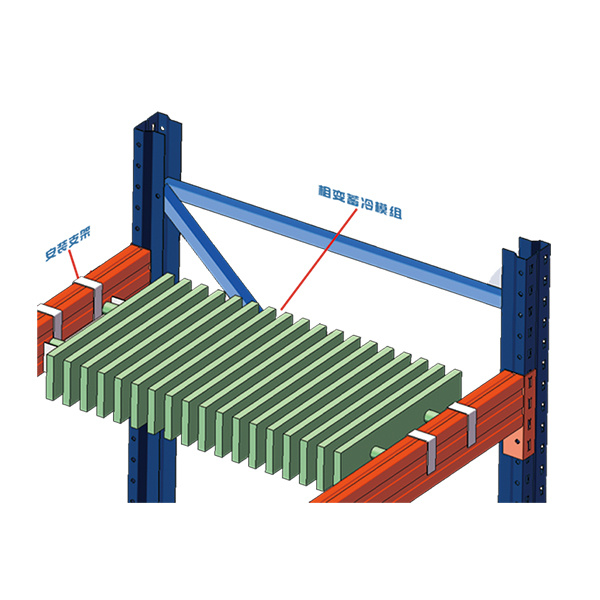
Maximizing Renewable Energy Use with Phase Change Cold Storage Systems: A Comprehensive Guide
Maximizing Renewable Energy Use with Phase Change Cold Storage Systems
Introduction to Renewable Energy and Cold Storage Technologies
The transition towards renewable energy sources is not just an environmental necessity but also an economic opportunity. As industries increasingly seek sustainable solutions, the integration of **phase change cold storage systems** (PCCSS) emerges as a pivotal st
2026-06-04
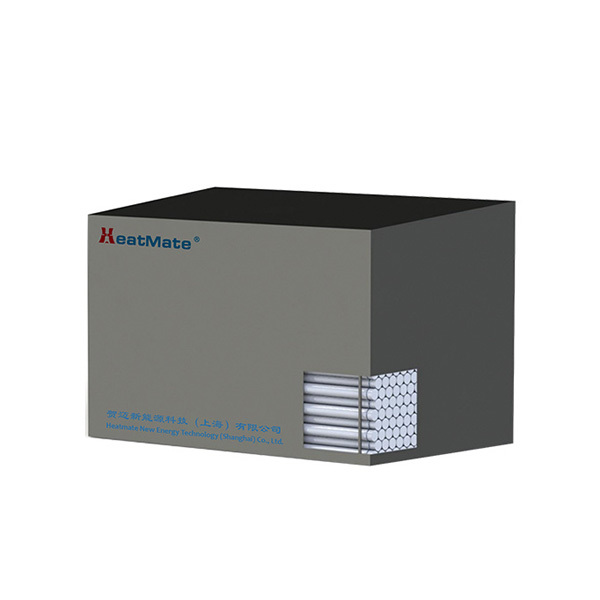
Understanding Phase Change Heating: Innovative Solutions for Renewable Energy
Phase change heating is a fascinating concept that revolves around the use of phase change materials (PCMs) to store and release thermal energy. These materials undergo a phase transition—typically from solid to liquid or vice versa—at a specific temperature, which allows them to absorb or release heat effectively. In the context of metallurgy and renewable energy, phase change heating offers inno
2026-05-30

Service Hotline:

Shanghai (Headquarters)
398 Songying Road, Qingpu District, Shanghai


Online message
Links: Sunman New Energy | CATL | State Grid | HeatMate New Energy Technology (Hong Kong) Co., Ltd.