







Maximizing Renewable Energy Use with Phase Change Cold Storage Systems: A Comprehensive Guide
2026-06-04
Maximizing Renewable Energy Use with Phase Change Cold Storage Systems
Introduction to Renewable Energy and Cold Storage Technologies
The transition towards renewable energy sources is not just an environmental necessity but also an economic opportunity. As industries increasingly seek sustainable solutions, the integration of **phase change cold storage systems** (PCCSS) emerges as a pivotal strategy. These systems enhance the efficiency of renewable energy use by storing energy in the form of thermal energy, allowing for better load management and energy consumption.
Understanding Phase Change Materials (PCMs)
At the heart of PCCSS is **phase change materials** (PCMs). These materials absorb and release thermal energy during the process of melting and solidifying at specific temperatures. By leveraging the thermal properties of PCMs, we can create systems that not only store energy but also regulate temperature effectively across various applications.
How PCMs Work
PCMs operate by transitioning between solid and liquid states. When energy is available—often from renewable sources like solar or wind—PCMs absorb heat and store it. Conversely, when energy demand peaks, the stored energy is released as the material solidifies. This process allows for significant energy savings and can lead to greater reliability in energy supply.
Types of Phase Change Materials
1. **Organic PCMs**: Derived from biological sources, these materials are often non-toxic and biodegradable, making them environmentally friendly.
2. **Inorganic PCMs**: These materials usually have higher thermal storage capacities but can be more corrosive and less stable.
3. **Eutectic PCMs**: Composed of a mixture of materials that solidify and melt at a single temperature, providing consistent thermal performance.
Benefits of Using Phase Change Cold Storage Systems
The integration of PCCSS can lead to numerous benefits, particularly in maximizing the use of renewable energy.
Enhancing Energy Efficiency
PCCSS can drastically reduce energy waste by storing excess renewable energy during off-peak hours. This approach ensures that energy produced during optimal conditions—when the sun is shining or the wind is blowing—can be stored for later use, aligning energy supply with demand.
Reducing Peak Load Demand
By using stored energy during peak demand, PCCSS helps flatten the energy consumption curve. This not only alleviates pressure on the grid but also reduces the need for fossil fuel-based backup power, further promoting sustainability.
Cost Savings for Businesses
Implementing PCCSS can result in significant **cost savings**. By optimizing energy use, businesses can take advantage of lower energy rates during off-peak hours, reducing overall operational costs.
Applications of Phase Change Cold Storage Systems
The versatility of PCCSS makes it suitable for various industries looking to maximize renewable energy use.
In the Commercial Sector
Businesses can employ PCCSS for temperature regulation in buildings, especially in climates with high cooling demands. By storing cooling energy during the night and releasing it during the day, businesses can maintain comfortable environments while saving on energy costs.
In Food Preservation
PCCSS is gaining traction in the food industry for temperature-controlled storage. By utilizing renewable energy to maintain optimal conditions, companies can reduce spoilage and waste, enhancing sustainability.
In Industrial Applications
Manufacturing processes often require significant energy input for heating or cooling. PCCSS can help store energy during periods of low demand, providing a reliable energy source when needed and improving overall efficiency.
Implementing Phase Change Cold Storage Systems: A Step-by-Step Guide
To successfully integrate PCCSS into existing systems, businesses should follow a structured approach.
Step 1: Assess Energy Needs
Conduct a thorough evaluation of current energy consumption patterns to identify peak load requirements and energy-saving opportunities.
Step 2: Choose Appropriate PCMs
Select the right type of PCM based on the specific application and temperature requirements. Consider factors such as thermal conductivity, melting point, and environmental impact.
Step 3: Design the System
Collaborate with engineers to design a PCCSS that aligns with existing infrastructure while maximizing energy storage capabilities. Optimal design will ensure efficient heat transfer and reliable performance.
Step 4: Integrate with Renewable Energy Sources
Ensure seamless integration of the PCCSS with existing renewable energy systems, such as solar panels or wind turbines, to maximize efficiency and energy utilization.
Step 5: Monitor and Optimize Performance
Regularly assess the performance of the PCCSS to identify areas for improvement. Utilizing monitoring systems can help optimize energy storage and retrieval processes.
Challenges in Implementing PCCSS
While the benefits of PCCSS are substantial, several challenges may arise during implementation.
Technical Limitations
The efficiency of PCCSS can be hampered by the thermal conductivity of the materials used. Selecting PCMs with optimal properties is crucial for enhancing performance.
Cost of Implementation
The initial investment in PCCSS technology may be significant, but it is essential to weigh this against long-term energy savings and sustainability benefits.
Regulatory Considerations
Understanding local regulations regarding energy storage and renewable energy usage is critical for compliance during implementation.
Future Trends in Phase Change Cold Storage Technologies
The landscape of PCCSS is continuously evolving, with several promising trends on the horizon.
Advancements in Material Science
Innovations in material science are leading to the development of more efficient and effective PCMs, which will enhance the performance of future cold storage systems.
Integration with Smart Grids
As smart grid technology advances, the integration of PCCSS with intelligent energy management systems will optimize energy consumption patterns, promoting further sustainability.
Growing Market Demand for Sustainable Solutions
With an increasing focus on sustainability, the demand for PCCSS is expected to grow, driving further innovation and adoption of renewable energy solutions.
FAQs about Phase Change Cold Storage Systems
What is a phase change cold storage system?
A phase change cold storage system utilizes phase change materials to store and release thermal energy, optimizing energy use and enhancing efficiency in renewable energy applications.
How do phase change materials work?
Phase change materials absorb and release heat when they change states from solid to liquid and vice versa, enabling effective energy storage and temperature regulation.
What are the benefits of using PCCSS?
The benefits include enhanced energy efficiency, reduced peak load demand, and significant cost savings for businesses that implement these systems.
In which industries can PCCSS be applied?
PCCSS can be applied in various sectors, including commercial buildings, food preservation, and industrial manufacturing processes.
What challenges may arise when implementing PCCSS?
Challenges include technical limitations, the cost of implementation, and regulatory considerations that need to be addressed for successful integration.
Conclusion
Phase change cold storage systems represent a vital innovation in maximizing renewable energy usage. By efficiently storing and releasing thermal energy, these systems enable businesses and industries to enhance energy efficiency, reduce costs, and promote sustainability. As technology advances and market demand grows, the role of PCCSS in driving the transition to renewable energy will become increasingly significant, bolstering efforts to build a sustainable future. Embracing these systems not only contributes to individual success but also propels the collective movement towards a greener planet.
Key words:
Related News
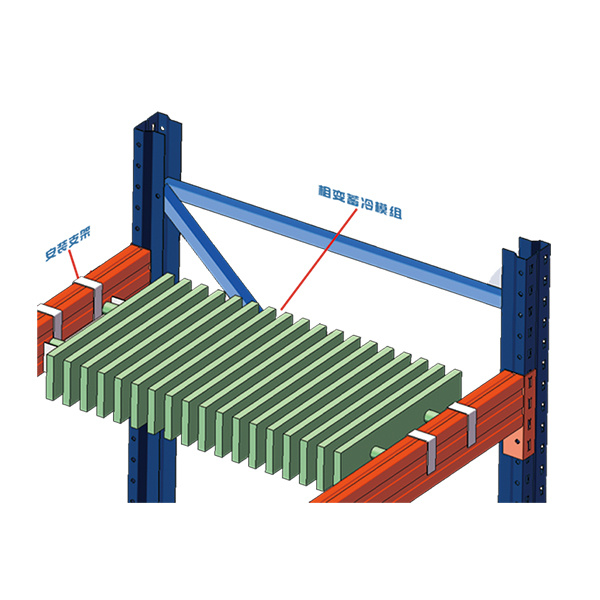
Maximizing Renewable Energy Use with Phase Change Cold Storage Systems: A Comprehensive Guide
2026-06-04
Understanding Phase Change Heating: Innovative Solutions for Renewable Energy
2026-05-30

Efficient Outdoor Heating: A Comprehensive Guide to Sustainable Energy Use
2026-05-25

Service Hotline:

Shanghai (Headquarters)
398 Songying Road, Qingpu District, Shanghai


Online message
Links: Sunman New Energy | CATL | State Grid | HeatMate New Energy Technology (Hong Kong) Co., Ltd.