







Exploring the Benefits of Steam Hot Pools in Renewable Energy Applications
2026-04-30
Steam hot pools, often found in geothermal energy systems, represent a unique and efficient way to harness natural energy sources. As professionals in the metallurgy and renewable energy sectors increasingly seek sustainable practices, understanding the advantages and potential of steam hot pools becomes essential. These pools can serve as a crucial resource, not only in energy production but also
Steam hot pools, often found in geothermal energy systems, represent a unique and efficient way to harness natural energy sources. As professionals in the metallurgy and renewable energy sectors increasingly seek sustainable practices, understanding the advantages and potential of steam hot pools becomes essential. These pools can serve as a crucial resource, not only in energy production but also in various industrial applications.
One of the most significant advantages of steam hot pools is their ability to provide a steady and reliable source of thermal energy. This can be particularly beneficial in metallurgical processes, where maintaining consistent temperatures is critical for the quality of metal production. By utilizing steam generated from these hot pools, industries can reduce their reliance on fossil fuels, leading to a more sustainable operation.
Moreover, steam hot pools can assist in various mining processes. For instance, they can be used for ore processing, where the heat from the steam can facilitate the extraction of metals and minerals from ore. This method not only enhances the efficiency of mining operations but also reduces the environmental footprint associated with traditional extraction methods. By integrating steam hot pools, mining companies can adopt greener practices, aligning with global sustainability goals.
In addition to their direct applications in metallurgy and mining, steam hot pools contribute to reducing greenhouse gas emissions. By leveraging geothermal resources, industries can significantly cut down on their carbon footprint. This transition towards cleaner energy aligns with the broader movement towards renewable energy sources and supports regulatory compliance regarding emissions.
Furthermore, steam hot pools can also play a role in district heating systems. When integrated into community energy systems, they can provide heating to residential and commercial buildings, creating a more sustainable energy infrastructure. This not only benefits the local economy by reducing heating costs but also promotes community awareness and commitment to renewable energy practices.
In summary, steam hot pools present numerous benefits for industries, especially in metallurgy and mining. They offer a sustainable energy source that can improve operational efficiency, reduce environmental impact, and enhance the overall economic viability of resource extraction processes. As the field of renewable energy continues to evolve, exploring and investing in such innovative solutions is crucial for driving the industry forward into a more sustainable future.
One of the most significant advantages of steam hot pools is their ability to provide a steady and reliable source of thermal energy. This can be particularly beneficial in metallurgical processes, where maintaining consistent temperatures is critical for the quality of metal production. By utilizing steam generated from these hot pools, industries can reduce their reliance on fossil fuels, leading to a more sustainable operation.
Moreover, steam hot pools can assist in various mining processes. For instance, they can be used for ore processing, where the heat from the steam can facilitate the extraction of metals and minerals from ore. This method not only enhances the efficiency of mining operations but also reduces the environmental footprint associated with traditional extraction methods. By integrating steam hot pools, mining companies can adopt greener practices, aligning with global sustainability goals.
In addition to their direct applications in metallurgy and mining, steam hot pools contribute to reducing greenhouse gas emissions. By leveraging geothermal resources, industries can significantly cut down on their carbon footprint. This transition towards cleaner energy aligns with the broader movement towards renewable energy sources and supports regulatory compliance regarding emissions.
Furthermore, steam hot pools can also play a role in district heating systems. When integrated into community energy systems, they can provide heating to residential and commercial buildings, creating a more sustainable energy infrastructure. This not only benefits the local economy by reducing heating costs but also promotes community awareness and commitment to renewable energy practices.
In summary, steam hot pools present numerous benefits for industries, especially in metallurgy and mining. They offer a sustainable energy source that can improve operational efficiency, reduce environmental impact, and enhance the overall economic viability of resource extraction processes. As the field of renewable energy continues to evolve, exploring and investing in such innovative solutions is crucial for driving the industry forward into a more sustainable future.
Key words:
Related News

Understanding Phase Change Thermal Storage and Conduction in Renewable Energy Systems
Phase change thermal storage is a technology that utilizes the latent heat of materials to store and release thermal energy efficiently. This process occurs when a material transitions between solid and liquid states, absorbing or releasing energy in the form of heat. Common phase change materials (PCMs) include paraffin wax, salt hydrates, and various organic compounds. By strategically integrati
2026-05-10
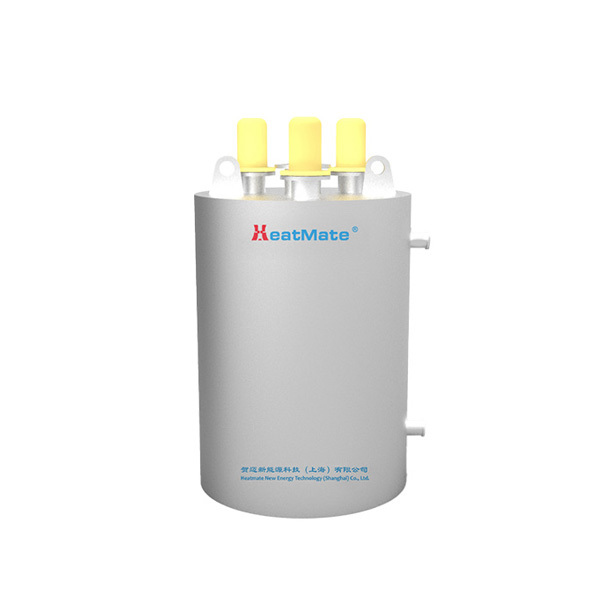
Exploring the Benefits of Steam Hot Pools in Renewable Energy Applications
Steam hot pools, often found in geothermal energy systems, represent a unique and efficient way to harness natural energy sources. As professionals in the metallurgy and renewable energy sectors increasingly seek sustainable practices, understanding the advantages and potential of steam hot pools becomes essential. These pools can serve as a crucial resource, not only in energy production but also
2026-04-30
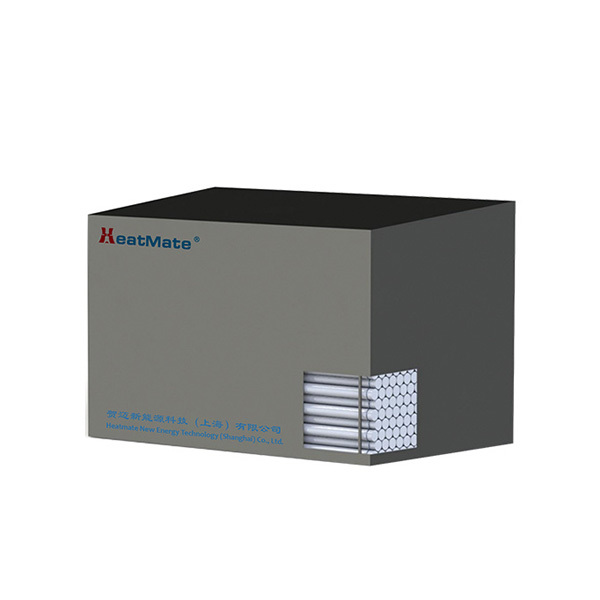
Understanding Phase Change Heating: Revolutionizing Renewable Energy
Phase change heating is an innovative technology that leverages the principles of phase change materials (PCMs) to provide effective thermal management solutions. In essence, these materials absorb and release thermal energy during phase transitions, such as from solid to liquid or vice versa. This unique attribute makes phase change heating particularly valuable in various applications, including
2026-04-20

Service Hotline:

Shanghai (Headquarters)
398 Songying Road, Qingpu District, Shanghai


Online message
Links: Sunman New Energy | CATL | State Grid | HeatMate New Energy Technology (Hong Kong) Co., Ltd.