







Exploring the Essentials of Outdoor Heating Equipment for Your Space
2026-04-15
Exploring the Essentials of Outdoor Heating Equipment for Your Space
Table of Contents
1. Introduction to Outdoor Heating Solutions
2. Benefits of Outdoor Heating Equipment
3. Types of Outdoor Heating Equipment
3.1 Patio Heaters
3.2 Fire Pits
3.3 Outdoor Fireplaces
3.4 Infrared Heaters
4. How to Choose the Righ
Exploring the Essentials of Outdoor Heating Equipment for Your Space
Table of Contents
- 1. Introduction to Outdoor Heating Solutions
- 2. Benefits of Outdoor Heating Equipment
- 3. Types of Outdoor Heating Equipment
- 4. How to Choose the Right Outdoor Heating Equipment
- 5. Installation Considerations for Outdoor Heaters
- 6. Maintenance Tips for Outdoor Heating Equipment
- 7. Safety Tips for Using Outdoor Heaters
- 8. Conclusion
- 9. FAQs
1. Introduction to Outdoor Heating Solutions
As the sun sets and temperatures drop, outdoor spaces can become less inviting. **Outdoor heating equipment** serves as a perfect solution, allowing you to enjoy your patio, garden, or backyard year-round. Whether you are looking to host gatherings, enjoy a quiet evening, or simply extend your outdoor leisure time, selecting the right heating equipment can significantly enhance your outdoor experience.
2. Benefits of Outdoor Heating Equipment
Outdoor heating equipment offers numerous benefits that are essential for anyone who values their outdoor space.
2.1 Extended Outdoor Living
With effective heating solutions, chilly nights no longer pose a barrier to outdoor fun. You can comfortably host barbecues, parties, or simply relax under the stars.
2.2 Increased Property Value
Investing in quality outdoor heating can boost the appeal and value of your property. Buyers often seek homes with functional outdoor spaces that include heating solutions.
2.3 Versatility and Style
Modern outdoor heaters come in various designs, materials, and fuel types, allowing you to choose a model that complements your style while providing warmth.
3. Types of Outdoor Heating Equipment
Understanding the different types of outdoor heating equipment is crucial for making an informed decision. Here are some of the most popular options:
3.1 Patio Heaters
Patio heaters are freestanding devices typically powered by propane or electricity. They are designed to radiate heat in a circular pattern, effectively warming up patios and outdoor dining areas. The tall, sleek design of many patio heaters makes them aesthetically pleasing.
3.2 Fire Pits
Fire pits provide both warmth and ambiance, making them ideal for social gatherings. They come in various designs, including wood-burning, propane, and natural gas options. Fire pits also serve as focal points for outdoor spaces, providing a cozy atmosphere.
3.3 Outdoor Fireplaces
Outdoor fireplaces offer a more permanent heating solution and can be constructed from stone or brick. They provide an elegant touch to outdoor areas and often feature built-in seating. Outdoor fireplaces can be fueled by wood or gas.
3.4 Infrared Heaters
Infrared heaters work by emitting infrared waves that directly warm objects and people instead of the air. These heaters are highly efficient and can be mounted on walls or ceilings, making them a great option for patios and balconies.
4. How to Choose the Right Outdoor Heating Equipment
Selecting the right outdoor heating equipment involves considering several factors.
4.1 Assess Your Space
Evaluate the size and layout of your outdoor area. Open spaces may require multiple units to ensure proper heating, while smaller patios might only need a single heater.
4.2 Consider Fuel Type
Choose between propane, natural gas, and electric heating options based on availability and convenience. Electric heaters are generally easier to install, while gas heaters provide a more intense heat.
4.3 Evaluate Your Heating Needs
Think about how often and for what occasions you’ll be using your outdoor heating equipment. Frequent users may benefit from a more robust solution, while occasional users can opt for portable heaters.
4.4 Focus on Style
Choose a model that aligns with your outdoor aesthetic. From modern minimalist designs to rustic fire pits, there are options to suit every style preference.
5. Installation Considerations for Outdoor Heaters
Proper installation is crucial for safety and efficiency. Here are some considerations:
5.1 Professional Installation vs. DIY
While some models are straightforward to install, others, particularly gas units, may require professional installation to comply with local codes and ensure safety.
5.2 Location Matters
Position your heater in a location that maximizes warmth while maintaining safety. Avoid placing heaters too close to flammable materials and ensure there’s adequate ventilation.
6. Maintenance Tips for Outdoor Heating Equipment
Regular maintenance ensures your heating equipment functions optimally and lasts longer.
6.1 Clean Regularly
Remove debris and soot from outdoor heaters to maintain efficiency. Check for rust or corrosion, especially for metal models.
6.2 Check Gas Connections
For gas heaters, regularly inspect hoses and connections for leaks. Use a soapy water solution to check for bubbles that indicate escaping gas.
7. Safety Tips for Using Outdoor Heaters
Safety should always be a priority when using outdoor heating equipment.
7.1 Keep Heaters Away from Flammable Materials
Position heaters away from furniture, overhangs, and other flammable materials to prevent fires.
7.2 Supervise Children and Pets
Always supervise children and pets around outdoor heaters to prevent accidents and burns.
7.3 Follow Manufacturer Instructions
Adhere to the operating instructions provided by the manufacturer for safe and effective use of your outdoor heater.
8. Conclusion
Choosing the right outdoor heating equipment is essential for maximizing your enjoyment of outdoor spaces throughout the year. By understanding the types available, selecting the appropriate model for your needs, and following maintenance and safety guidelines, you can create a warm and inviting atmosphere. Whether it’s for entertaining guests or enjoying a quiet evening outdoors, investing in quality heating solutions will significantly enhance your outdoor living experience.
9. FAQs
What is the best type of outdoor heater for a small patio?
For a small patio, a **propane patio heater** or an **electric infrared heater** is ideal due to their compact size and efficiency.
How much heat output do outdoor heaters provide?
Outdoor heaters typically range from 30,000 to 50,000 BTUs, depending on the model, allowing them to effectively warm areas of various sizes.
Are outdoor fireplaces safe for cooking?
Some outdoor fireplaces are designed for cooking, while others are not. It’s essential to check the specifications and use appropriate cookware.
How can I make my outdoor heating equipment more efficient?
Position your heaters strategically and use windbreaks to minimize heat loss, and ensure regular maintenance is done.
Can I use outdoor heaters indoors?
No, outdoor heaters should not be used indoors due to the risk of carbon monoxide poisoning and fire hazards. Always use the appropriate heating solutions for indoor spaces.
Key words:
Related News
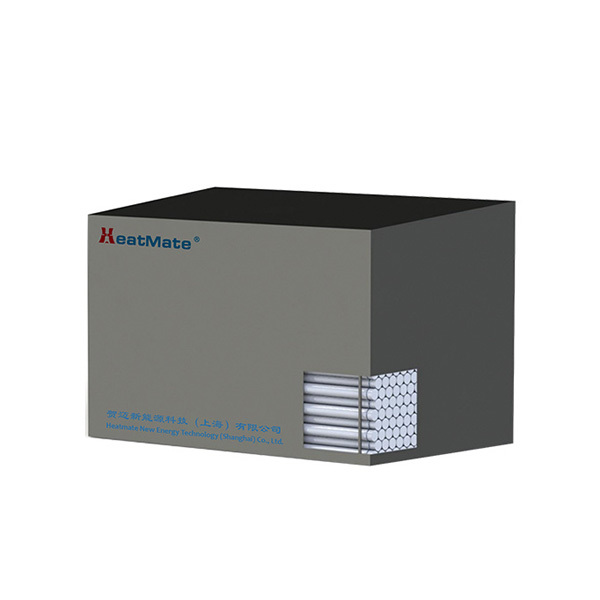
Understanding Phase Change Heating: Revolutionizing Renewable Energy
Phase change heating is an innovative technology that leverages the principles of phase change materials (PCMs) to provide effective thermal management solutions. In essence, these materials absorb and release thermal energy during phase transitions, such as from solid to liquid or vice versa. This unique attribute makes phase change heating particularly valuable in various applications, including
2026-04-20

Exploring the Essentials of Outdoor Heating Equipment for Your Space
Exploring the Essentials of Outdoor Heating Equipment for Your Space
Table of Contents
1. Introduction to Outdoor Heating Solutions
2. Benefits of Outdoor Heating Equipment
3. Types of Outdoor Heating Equipment
3.1 Patio Heaters
3.2 Fire Pits
3.3 Outdoor Fireplaces
3.4 Infrared Heaters
4. How to Choose the Righ
2026-04-15
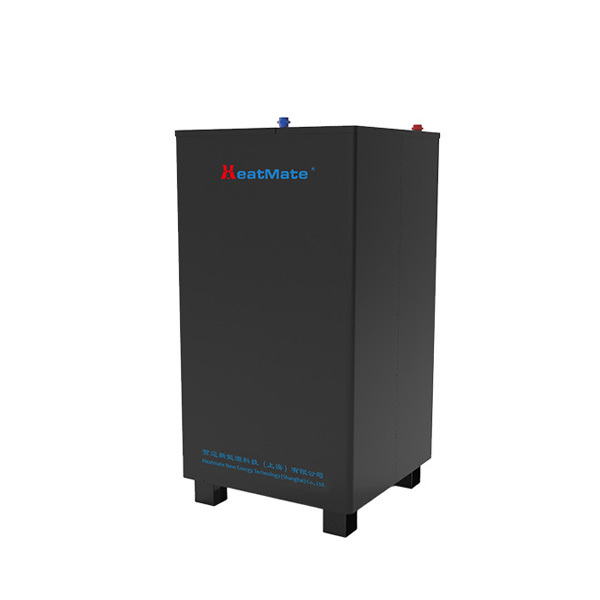
Exploring Non-Electric Outdoor Heating Equipment: Sustainable Solutions for Comfort
When it comes to creating a cozy outdoor ambiance, non-electric outdoor heating equipment stands out as an effective and environmentally-friendly choice. Unlike traditional electric heaters, these solutions do not rely on electricity, making them ideal for areas where power sources are scarce or for those wanting to minimize their carbon footprint.
One of the most popular forms of non-electric ou
2026-04-10

Service Hotline:

Shanghai (Headquarters)
398 Songying Road, Qingpu District, Shanghai


Online message
Links: Sunman New Energy | CATL | State Grid | HeatMate New Energy Technology (Hong Kong) Co., Ltd.