







Exploring Non-Electric Outdoor Heating Equipment: Sustainable Solutions for Comfort
2026-04-10
When it comes to creating a cozy outdoor ambiance, non-electric outdoor heating equipment stands out as an effective and environmentally-friendly choice. Unlike traditional electric heaters, these solutions do not rely on electricity, making them ideal for areas where power sources are scarce or for those wanting to minimize their carbon footprint.
One of the most popular forms of non-electric ou
When it comes to creating a cozy outdoor ambiance, non-electric outdoor heating equipment stands out as an effective and environmentally-friendly choice. Unlike traditional electric heaters, these solutions do not rely on electricity, making them ideal for areas where power sources are scarce or for those wanting to minimize their carbon footprint.
One of the most popular forms of non-electric outdoor heating is the use of wood-burning fire pits and fireplaces. These not only provide warmth but also create a beautiful focal point for gatherings and social events. Wood-burning equipment can be used in a variety of outdoor settings, from backyards to campsites, and they offer the added benefit of utilizing renewable biomass. When using wood as a fuel source, it is essential to select seasoned wood to ensure efficient burning and reduced smoke emissions.
Another alternative is propane patio heaters, which use liquefied propane gas to produce heat. These heaters are portable and can easily be moved to different locations, allowing flexibility in outdoor activities. They are particularly popular in restaurants and cafes with outdoor seating areas, as they can extend the usability of these spaces into cooler months. While propane is a fossil fuel, it is often considered a cleaner-burning option compared to other fuels, making it a viable choice for outdoor heating.
For those interested in a more innovative solution, consider bioethanol heaters. These units burn bioethanol, which is derived from renewable sources like sugarcane and corn. The combustion of bioethanol produces heat and minimal carbon dioxide, making it an eco-friendly option. Additionally, bioethanol heaters come in various stylish designs, enhancing the aesthetic appeal of outdoor spaces while providing warmth.
When selecting non-electric outdoor heating equipment, it is also crucial to consider safety. Always ensure proper ventilation when using any heating device, particularly those that produce combustion gases. Furthermore, position your heating equipment away from flammable materials and never leave it unattended while in use.
In summary, non-electric outdoor heating equipment offers a range of options for those looking to enjoy their outdoor spaces comfortably and sustainably. Whether you choose a classic wood-burning fire pit or opt for a modern bioethanol heater, these solutions can enhance your outdoor experience while aligning with eco-friendly practices. Embracing these alternatives not only supports a sustainable lifestyle but also allows you to create welcoming environments for family and friends throughout the year.
One of the most popular forms of non-electric outdoor heating is the use of wood-burning fire pits and fireplaces. These not only provide warmth but also create a beautiful focal point for gatherings and social events. Wood-burning equipment can be used in a variety of outdoor settings, from backyards to campsites, and they offer the added benefit of utilizing renewable biomass. When using wood as a fuel source, it is essential to select seasoned wood to ensure efficient burning and reduced smoke emissions.
Another alternative is propane patio heaters, which use liquefied propane gas to produce heat. These heaters are portable and can easily be moved to different locations, allowing flexibility in outdoor activities. They are particularly popular in restaurants and cafes with outdoor seating areas, as they can extend the usability of these spaces into cooler months. While propane is a fossil fuel, it is often considered a cleaner-burning option compared to other fuels, making it a viable choice for outdoor heating.
For those interested in a more innovative solution, consider bioethanol heaters. These units burn bioethanol, which is derived from renewable sources like sugarcane and corn. The combustion of bioethanol produces heat and minimal carbon dioxide, making it an eco-friendly option. Additionally, bioethanol heaters come in various stylish designs, enhancing the aesthetic appeal of outdoor spaces while providing warmth.
When selecting non-electric outdoor heating equipment, it is also crucial to consider safety. Always ensure proper ventilation when using any heating device, particularly those that produce combustion gases. Furthermore, position your heating equipment away from flammable materials and never leave it unattended while in use.
In summary, non-electric outdoor heating equipment offers a range of options for those looking to enjoy their outdoor spaces comfortably and sustainably. Whether you choose a classic wood-burning fire pit or opt for a modern bioethanol heater, these solutions can enhance your outdoor experience while aligning with eco-friendly practices. Embracing these alternatives not only supports a sustainable lifestyle but also allows you to create welcoming environments for family and friends throughout the year.
Key words:
Related News

Efficient Outdoor Heating: A Comprehensive Guide to Sustainable Energy Use
Efficient Outdoor Heating: A Comprehensive Guide to Sustainable Energy Use
Introduction to Sustainable Outdoor Heating
In today's world, where environmental concerns are at the forefront, finding **efficient outdoor heating** solutions is not just a luxury but a necessity. We are increasingly aware of the impact our energy choices have on the planet. This guide explores sustainable energy option
2026-05-25
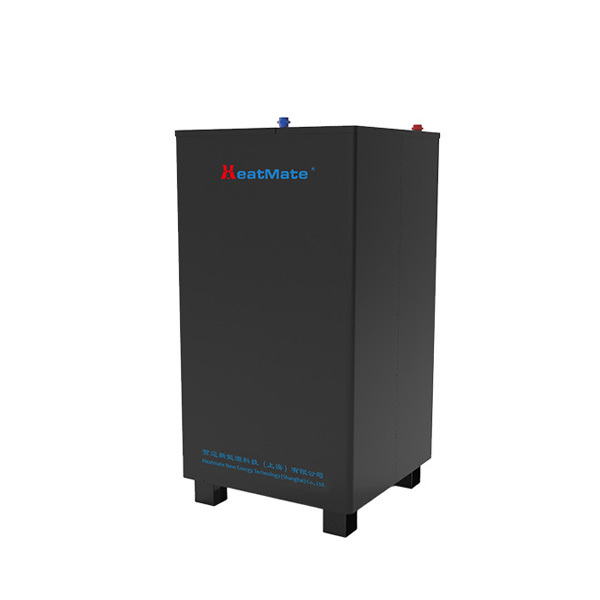
Exploring Non-Electric Outdoor Heating Equipment for Sustainable Solutions
In the ever-evolving landscape of energy consumption and sustainability, non-electric outdoor heating equipment presents a viable solution for outdoor heating needs without relying on traditional electricity sources. These systems are particularly beneficial for professionals in the renewable energy sector, as they align with the principles of energy efficiency and environmental stewardship.
Non-e
2026-05-20
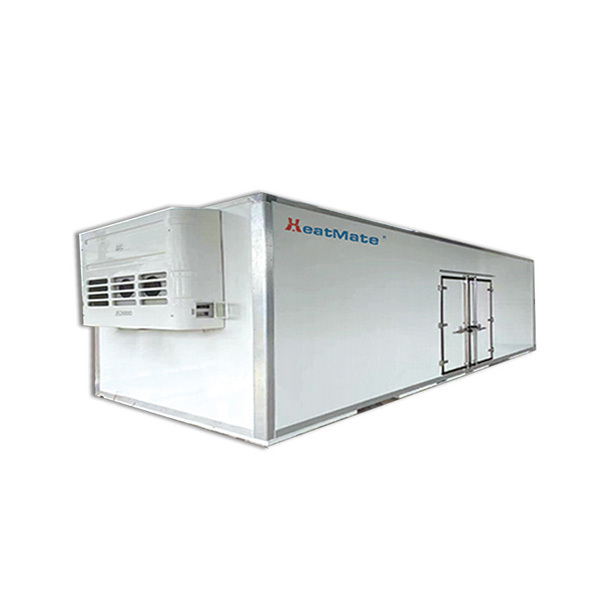
Enhancing Project Efficiency with Mobile Container Cold Storage Solutions
Enhancing Project Efficiency with Mobile Container Cold Storage Solutions
Introduction to Mobile Container Cold Storage
In the fast-evolving landscape of renewable energy, particularly in solar projects, efficiency is paramount. One innovative solution gaining traction in this realm is **mobile container cold storage**. These portable units are transforming how project managers handle temperat
2026-05-15

Service Hotline:

Shanghai (Headquarters)
398 Songying Road, Qingpu District, Shanghai


Online message
Links: Sunman New Energy | CATL | State Grid | HeatMate New Energy Technology (Hong Kong) Co., Ltd.