







Thermal Storage Components: A Key Player in Solar Energy Systems
2026-06-17
Thermal Storage Components: A Key Player in Solar Energy Systems
Table of Contents
1. Understanding Thermal Storage in Solar Energy
2. The Importance of Solar Energy Systems
3. Types of Thermal Storage Components
3.1 Sensible Heat Storage
3.2 Latent Heat Storage
3.3 Thermochemical Storage
4. Benefits of Using Thermal Storage in Solar Energy
5. Applications of Thermal Storage in S
Thermal Storage Components: A Key Player in Solar Energy Systems
Table of Contents
1. Understanding Thermal Storage in Solar Energy
2. The Importance of Solar Energy Systems
3. Types of Thermal Storage Components
3.1 Sensible Heat Storage
3.2 Latent Heat Storage
3.3 Thermochemical Storage
4. Benefits of Using Thermal Storage in Solar Energy
5. Applications of Thermal Storage in Solar Energy Systems
6. Challenges in Implementing Thermal Storage Solutions
7. Future Trends in Thermal Storage Technology
8. FAQs about Thermal Storage in Solar Energy Systems
9. Conclusion
1. Understanding Thermal Storage in Solar Energy
Thermal storage is a critical element in solar energy systems, designed to capture and store heat generated from sunlight. By holding onto this energy, systems can provide a consistent power supply even when the sun isn’t shining. This capability enhances the efficiency and reliability of solar energy, making it a viable alternative for both residential and commercial applications. In essence, thermal storage acts as a battery for heat, helping to decouple energy generation from consumption.
2. The Importance of Solar Energy Systems
Solar energy systems harness the sun's power to generate electricity or heat. As the world pivots towards cleaner energy sources, solar power stands out for its sustainability and low environmental impact. The integration of thermal storage components in these systems is vital as it addresses the intermittent nature of solar energy, allowing for better energy management and utilization.
3. Types of Thermal Storage Components
Understanding the various types of thermal storage components is essential for optimizing solar energy systems. They can be classified into three main categories: sensible heat storage, latent heat storage, and thermochemical storage.
3.1 Sensible Heat Storage
Sensible heat storage involves the direct heating or cooling of a material. This type of thermal storage is based on the principle that the temperature of a material changes when heat is added or removed. Common materials used include water and solid materials like concrete or brick. The capacity of sensible heat storage systems to hold large amounts of heat makes them a popular choice in solar applications.
3.2 Latent Heat Storage
Latent heat storage systems utilize phase change materials (PCMs) that absorb or release energy during phase transitions (e.g., solid to liquid). This technology provides a higher energy density compared to sensible heat storage, allowing for more efficient thermal energy storage. When the material changes from solid to liquid, it can capture significant amounts of heat without a notable increase in temperature, making it an effective solution for solar energy systems.
3.3 Thermochemical Storage
Thermochemical storage involves storing energy in chemical bonds. This type of storage can provide high energy densities and long-term storage capabilities. The energy is released when a chemical reaction occurs, making it an innovative and efficient solution for solar energy systems that require longevity and optimal performance.
4. Benefits of Using Thermal Storage in Solar Energy
The integration of thermal storage in solar energy systems offers several compelling benefits:
1. **Energy Availability**: Thermal storage ensures a steady supply of energy, even during periods of low sunlight. This reliability is crucial for both grid stability and off-grid applications.
2. **Improved Efficiency**: By storing excess energy produced during peak sunlight hours, thermal storage allows solar systems to operate at maximum efficiency, reducing waste.
3. **Cost Savings**: Utilizing thermal storage can lead to significant cost savings by maximizing energy use during off-peak hours, thus lowering energy bills.
4. **Environmental Impact**: Thermal storage bolsters the sustainability of solar energy by providing cleaner energy solutions and reducing reliance on fossil fuels.
5. **Flexible Design**: Different thermal storage technologies can be adapted to varying system designs, offering versatility in implementation.
5. Applications of Thermal Storage in Solar Energy Systems
Thermal storage components find applications across various sectors, including:
- **Residential Solar Systems**: Homeowners can use thermal storage to maintain hot water supply or heating during the night.
- **Commercial Solar Applications**: Businesses benefit from thermal storage to manage energy costs and ensure a consistent supply for operations.
- **District Heating**: Large-scale thermal storage systems can be integrated into district heating networks, allowing for centralized heating solutions.
- **Industrial Processes**: Industries with high thermal energy demands can utilize thermal storage to optimize energy costs and enhance process efficiency.
6. Challenges in Implementing Thermal Storage Solutions
While thermal storage presents numerous advantages, there are also challenges to consider:
- **High Initial Costs**: The upfront investment for thermal storage systems can be substantial, which might deter some users.
- **Space Constraints**: Depending on the type of thermal storage technology, considerable space may be required for installation.
- **Technology Maturity**: Some thermal storage technologies are still under development, which may pose risks regarding reliability and efficiency.
- **Maintenance Requirements**: Maintaining thermal storage systems can be complex, requiring specialized knowledge and expertise.
7. Future Trends in Thermal Storage Technology
As the need for renewable energy solutions grows, innovations in thermal storage technology are expected to evolve. Key trends include:
- **Advancements in Phase Change Materials**: Research into new PCMs aims to improve energy density and operational efficiency.
- **Integration with Smart Grids**: Thermal storage systems will increasingly be integrated with smart grid technology, enhancing energy management and distribution.
- **Hybrid Systems**: Combining thermal storage with other renewable technologies, such as wind and hydro, can lead to more resilient energy solutions.
- **Enhanced Automation**: The use of automation and AI in managing thermal storage systems can optimize performance and reduce operational costs.
8. FAQs about Thermal Storage in Solar Energy Systems
What is thermal storage in solar energy systems?
Thermal storage in solar energy systems refers to the technology that captures and retains heat generated from sunlight for later use.
How do thermal storage components improve solar energy efficiency?
By storing excess heat produced during peak sunlight hours, thermal storage components enable solar systems to deliver energy consistently, improve energy utilization, and reduce waste.
What types of materials are typically used in thermal storage?
Common materials include water for sensible heat storage, phase change materials for latent heat storage, and various chemical compounds for thermochemical storage.
What are the economic benefits of thermal storage in solar energy?
Thermal storage can lead to significant cost savings by optimizing energy use, lowering energy bills, and providing an opportunity to capitalize on off-peak electricity rates.
Are there any downsides to using thermal storage in solar energy systems?
Challenges include high initial costs, space requirements, and the need for ongoing maintenance. However, the long-term benefits often outweigh these drawbacks.
9. Conclusion
Thermal storage components play an indispensable role in the efficiency and reliability of solar energy systems. By enabling the capture and storage of heat from sunlight, these technologies not only enhance energy availability but also contribute to a sustainable future. As innovations continue to emerge, the integration of thermal storage into solar energy will undoubtedly create more resilient and efficient energy solutions, further driving the global transition toward renewable energy sources. Embracing these advancements will be vital for both individual users and industries looking to capitalize on the benefits of solar energy.
Key words:
Related News
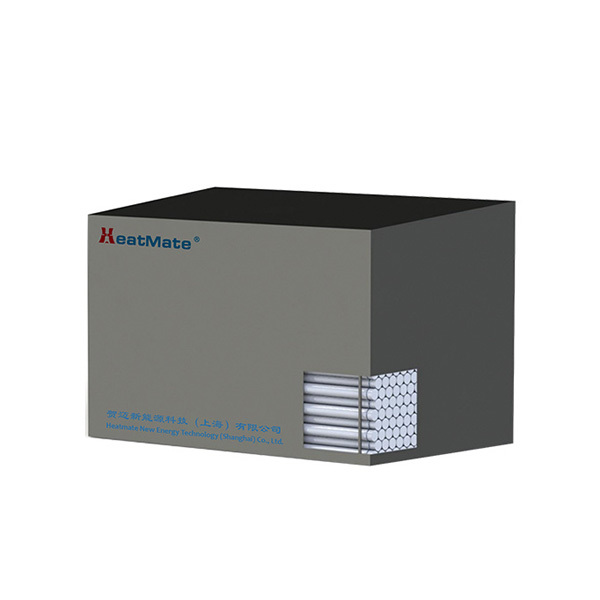
Thermal Storage Components: A Key Player in Solar Energy Systems
Thermal Storage Components: A Key Player in Solar Energy Systems
Table of Contents
1. Understanding Thermal Storage in Solar Energy
2. The Importance of Solar Energy Systems
3. Types of Thermal Storage Components
3.1 Sensible Heat Storage
3.2 Latent Heat Storage
3.3 Thermochemical Storage
4. Benefits of Using Thermal Storage in Solar Energy
5. Applications of Thermal Storage in S
2026-06-17
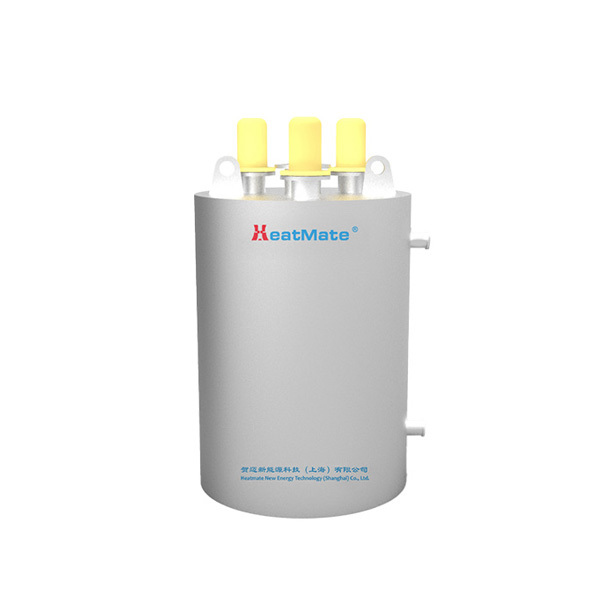
Understanding the Role of Steam Hot Pools in Renewable Energy Applications
Steam hot pools, often associated with geothermal energy, play a critical role in various industries, including metallurgy and mining. These natural hot springs can be harnessed for their thermal energy, presenting an eco-friendly alternative to traditional energy sources. The essence of steam hot pools lies in their ability to produce steam through natural geothermal processes, which can be effec
2026-06-09
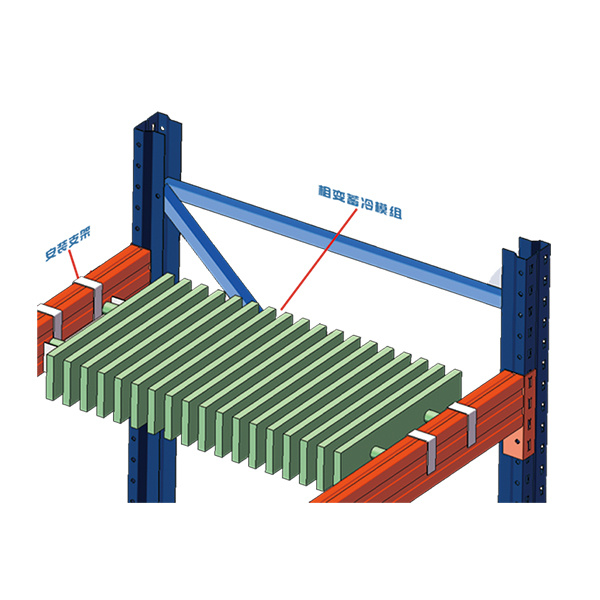
Maximizing Renewable Energy Use with Phase Change Cold Storage Systems: A Comprehensive Guide
Maximizing Renewable Energy Use with Phase Change Cold Storage Systems
Introduction to Renewable Energy and Cold Storage Technologies
The transition towards renewable energy sources is not just an environmental necessity but also an economic opportunity. As industries increasingly seek sustainable solutions, the integration of **phase change cold storage systems** (PCCSS) emerges as a pivotal st
2026-06-04

Service Hotline:

Shanghai (Headquarters)
398 Songying Road, Qingpu District, Shanghai


Online message
Links: Sunman New Energy | CATL | State Grid | HeatMate New Energy Technology (Hong Kong) Co., Ltd.