







Understanding Steam Hot Pools: A Key Element in Renewable Energy Production
2026-07-22
Steam hot pools represent a fascinating geological phenomenon with significant implications for industries reliant on renewable energy sources, particularly in metallurgy and mineral extraction. These natural geothermal features arise from underground water heated by volcanic activity, creating pools of steaming hot water that can reach temperatures well above boiling point. Their unique propertie
Steam hot pools represent a fascinating geological phenomenon with significant implications for industries reliant on renewable energy sources, particularly in metallurgy and mineral extraction. These natural geothermal features arise from underground water heated by volcanic activity, creating pools of steaming hot water that can reach temperatures well above boiling point. Their unique properties make them valuable for various applications in energy production and resource extraction.
In the context of renewable energy, steam hot pools can be harnessed for their geothermal potential. By tapping into the heat stored beneath the Earth's surface, industries can generate steam that drives turbines, thereby producing electricity without emitting greenhouse gases. This aligns well with global efforts to transition to cleaner energy sources, making steam hot pool technology a critical area of exploration for engineers and researchers.
Moreover, the utilization of steam hot pools can enhance processes in metallurgy and mining. The high temperatures present in these pools can be used for preheating ores, reducing energy consumption during smelting or refining processes. This application not only improves efficiency but also helps in minimizing the environmental impact of traditional metal extraction methods. Companies focusing on sustainable practices are increasingly considering steam hot pools as a viable energy resource to optimize their operations.
Additionally, steam hot pools can play a role in district heating systems, where excess heat is extracted to provide warmth for residential and commercial buildings. This practice can significantly reduce reliance on fossil fuels for heating, contributing to a broader shift towards sustainable urban infrastructure. The integration of steam hot pool energy into local grids can enhance energy security while promoting the use of renewable resources.
It's important to note that while steam hot pools offer substantial benefits, their development requires careful consideration of environmental impacts. Sustainable management practices must be employed to prevent over-extraction and preserve these natural resources for future generations. This balance is crucial in ensuring that the engagement with steam hot pools does not disrupt the local ecosystem or diminish their geothermal potential.
In summary, steam hot pools are a versatile and powerful resource in the renewable energy landscape. Their ability to generate clean energy and support sustainable practices in metallurgy and mining underscores their importance in modern energy solutions. As industries continue to seek innovative methods to reduce their carbon footprint, the exploration of steam hot pools will likely become more prevalent, positioning them as a key component in the transition towards a sustainable energy future.
In the context of renewable energy, steam hot pools can be harnessed for their geothermal potential. By tapping into the heat stored beneath the Earth's surface, industries can generate steam that drives turbines, thereby producing electricity without emitting greenhouse gases. This aligns well with global efforts to transition to cleaner energy sources, making steam hot pool technology a critical area of exploration for engineers and researchers.
Moreover, the utilization of steam hot pools can enhance processes in metallurgy and mining. The high temperatures present in these pools can be used for preheating ores, reducing energy consumption during smelting or refining processes. This application not only improves efficiency but also helps in minimizing the environmental impact of traditional metal extraction methods. Companies focusing on sustainable practices are increasingly considering steam hot pools as a viable energy resource to optimize their operations.
Additionally, steam hot pools can play a role in district heating systems, where excess heat is extracted to provide warmth for residential and commercial buildings. This practice can significantly reduce reliance on fossil fuels for heating, contributing to a broader shift towards sustainable urban infrastructure. The integration of steam hot pool energy into local grids can enhance energy security while promoting the use of renewable resources.
It's important to note that while steam hot pools offer substantial benefits, their development requires careful consideration of environmental impacts. Sustainable management practices must be employed to prevent over-extraction and preserve these natural resources for future generations. This balance is crucial in ensuring that the engagement with steam hot pools does not disrupt the local ecosystem or diminish their geothermal potential.
In summary, steam hot pools are a versatile and powerful resource in the renewable energy landscape. Their ability to generate clean energy and support sustainable practices in metallurgy and mining underscores their importance in modern energy solutions. As industries continue to seek innovative methods to reduce their carbon footprint, the exploration of steam hot pools will likely become more prevalent, positioning them as a key component in the transition towards a sustainable energy future.
Key words:
Related News
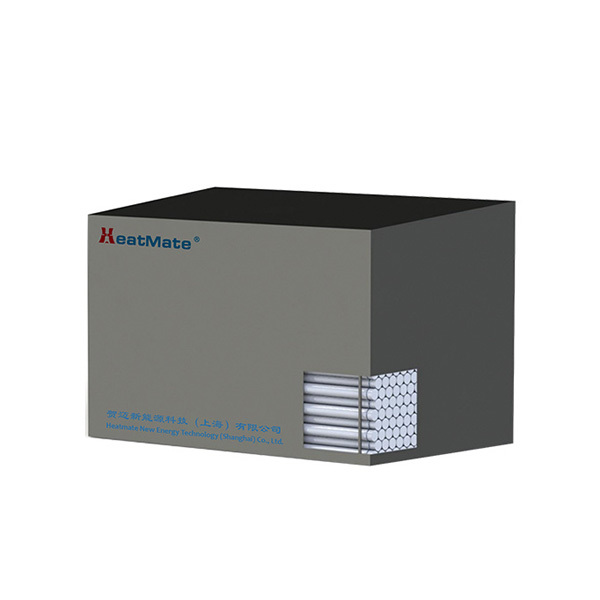
Understanding Phase Change Heating: An Innovative Approach in Renewable Energy
Phase change heating refers to the use of phase change materials (PCMs) to store and release thermal energy during the transition between solid and liquid states. This unique characteristic of PCMs makes them invaluable in various applications, particularly in the renewable energy sector. As industries strive to enhance energy efficiency and reduce environmental impact, understanding the potential
2026-08-21

Outdoor Heating Equipment: Enhancing Your Outdoor Experience for Year-Round Comfort
Outdoor Heating Equipment: Enhancing Your Outdoor Experience for Year-Round Comfort
Outdoor spaces have become integral to our lifestyle, offering a venue for relaxation, entertainment, and socializing. However, enjoying these areas during colder months can be challenging. Enter outdoor heating equipment—an essential addition that allows us to extend our outdoor enjoyment throughout the year. This
2026-08-16
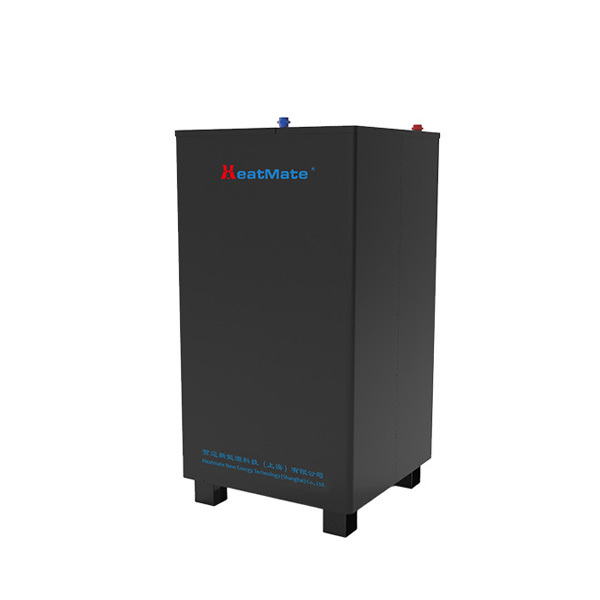
Exploring Non-Electric Outdoor Heating Equipment for Sustainable Energy Solutions
In the growing field of renewable energy, non-electric outdoor heating equipment is becoming an increasingly viable option for various applications. These systems provide heat without relying on electricity, making them particularly useful in off-grid settings, rural areas, or during power outages. Understanding the different types of non-electric outdoor heating equipment can help industry profes
2026-08-11

Service Hotline:

Shanghai (Headquarters)
398 Songying Road, Qingpu District, Shanghai


Online message
Links: Sunman New Energy | CATL | State Grid | HeatMate New Energy Technology (Hong Kong) Co., Ltd.