







Innovations in Thermal Storage: Transforming the Renewable Energy Landscape
2026-07-27
Innovations in Thermal Storage: Transforming the Renewable Energy Landscape
Table of Contents
1. Introduction to Thermal Storage
2. The Importance of Energy Storage in Renewable Energy
3. Key Innovations in Thermal Storage Technologies
3.1 Phase Change Materials (PCMs)
3.2 Molten Salt Storage
3.3 Graphene-Based Solutions
3.4 Thermochemical Storage
4. Applications of Thermal Storage in Renewable En
Innovations in Thermal Storage: Transforming the Renewable Energy Landscape
Table of Contents
1. Introduction to Thermal Storage
2. The Importance of Energy Storage in Renewable Energy
3. Key Innovations in Thermal Storage Technologies
3.1 Phase Change Materials (PCMs)
3.2 Molten Salt Storage
3.3 Graphene-Based Solutions
3.4 Thermochemical Storage
4. Applications of Thermal Storage in Renewable Energy Systems
4.1 Solar Thermal Power Plants
4.2 Wind Energy Integration
5. Challenges and Limitations of Current Thermal Storage Technologies
6. Future Trends in Thermal Storage
7. Conclusion
8. Frequently Asked Questions (FAQs)
1. Introduction to Thermal Storage
Thermal storage refers to the process of storing excess thermal energy for later use. This technology plays a crucial role in optimizing energy systems, particularly in the context of renewable energy sources like solar and wind. By capturing and retaining heat energy, thermal storage systems can provide a reliable energy supply, smooth out fluctuations, and enhance the overall efficiency of energy generation systems.
2. The Importance of Energy Storage in Renewable Energy
As the world shifts toward sustainable energy sources, the need for effective energy storage solutions becomes increasingly vital. Renewable energy sources, such as solar and wind, are inherently intermittent; their energy output is not always aligned with demand. Energy storage bridges this gap, allowing excess energy generated during peak production hours to be stored and utilized when production decreases. **Thermal storage systems** offer a promising solution by leveraging heat as a medium for energy storage, thus contributing significantly to the stability and reliability of the energy grid.
3. Key Innovations in Thermal Storage Technologies
An array of innovative technologies has emerged in the field of thermal storage. These advancements are reshaping how we think about energy storage and its integration into renewable systems.
3.1 Phase Change Materials (PCMs)
Phase Change Materials (PCMs) are substances that absorb or release significant amounts of latent heat during phase transitions, typically between solid and liquid states. PCMs are gaining traction in thermal storage due to their high energy density and efficiency. When integrated into building materials or heat storage systems, PCMs can effectively regulate indoor temperatures, significantly reducing energy consumption for heating and cooling.
3.2 Molten Salt Storage
Molten salt storage is one of the most widely recognized thermal storage technologies, particularly in concentrated solar power (CSP) plants. By utilizing a mixture of sodium and potassium nitrate, molten salt can store thermal energy at high temperatures. This stored energy can subsequently be converted into electricity, providing a renewable energy source even after the sun sets. The efficiency and scalability of molten salt systems make them a key player in the renewable energy landscape.
3.3 Graphene-Based Solutions
Graphene, known for its exceptional thermal conductivity, is being explored as a revolutionary material for thermal storage applications. Innovations in graphene-based thermal storage systems promise to enhance energy retention and increase the speed of heat transfer. These properties could lead to significantly more compact and efficient storage solutions, addressing some of the limitations found in traditional storage technologies.
3.4 Thermochemical Storage
Thermochemical storage involves reversible chemical reactions to store and release thermal energy. This technology is particularly appealing due to its high energy density and potential for long-term energy storage, making it suitable for applications where seasonal energy storage is required. Ongoing research aims to optimize reaction processes and materials to enhance the commercial viability of thermochemical systems.
4. Applications of Thermal Storage in Renewable Energy Systems
The integration of thermal storage technologies into renewable energy systems enhances their functionality and efficiency. Here are some of the primary applications:
4.1 Solar Thermal Power Plants
Solar thermal power plants utilize thermal storage to deliver consistent energy output, even during non-sunny hours. By storing heat generated during the day, these plants can supply electricity well into the evening, contributing to grid stability. This capability makes solar thermal one of the most reliable forms of renewable energy.
4.2 Wind Energy Integration
Wind energy often faces challenges due to its variable nature. By incorporating thermal storage solutions, excess energy generated during high wind periods can be stored and used when wind speeds drop, ensuring a consistent energy supply. This integration not only enhances the efficiency of wind energy systems but also promotes a more resilient energy grid.
5. Challenges and Limitations of Current Thermal Storage Technologies
Despite the significant advancements in thermal storage technologies, several challenges remain. These include high initial costs, material degradation over time, and efficiency losses during energy conversion processes. Additionally, while some technologies are well-suited for specific applications, others may face limitations in scalability or integration with existing energy systems. Addressing these challenges is essential for the widespread adoption of thermal storage solutions.
6. Future Trends in Thermal Storage
The future of thermal storage is bright, with ongoing research and development paving the way for innovative solutions. Key trends include the development of hybrid systems that combine various storage technologies to maximize efficiency, advancements in materials science, and the integration of artificial intelligence for optimized energy management. As the demand for renewable energy continues to grow, thermal storage will play an increasingly critical role in ensuring a stable and sustainable energy future.
7. Conclusion
Innovations in thermal storage technologies are transforming the renewable energy landscape, enabling a more sustainable and resilient energy system. As we continue to explore and develop these technologies, their application will not only enhance energy efficiency but also contribute to our global goal of reducing carbon emissions and combating climate change. The future of energy storage is indeed promising, and thermal storage stands at the forefront of this revolution.
8. Frequently Asked Questions (FAQs)
What is thermal storage, and how does it work?
Thermal storage is the process of storing excess thermal energy for later use. It works by capturing heat energy during periods of high production and retaining it until it is needed, often through mediums like molten salts or phase change materials.
Why is thermal storage important for renewable energy?
Thermal storage is crucial for renewable energy because it addresses the intermittent nature of sources like solar and wind. By storing energy for use when production is low, thermal storage enhances grid reliability and energy efficiency.
What are the main types of thermal storage technologies?
The main types of thermal storage technologies include Phase Change Materials (PCMs), molten salt storage, thermochemical storage, and graphene-based solutions, each offering unique advantages and applications.
How does molten salt storage work?
Molten salt storage works by heating a mixture of sodium and potassium nitrate to store thermal energy. This energy can later be converted into electricity, providing a reliable energy source during non-sunny hours.
What challenges do thermal storage technologies face?
Thermal storage technologies face challenges such as high initial costs, material degradation, efficiency losses during energy conversion, and limitations in scalability and integration with existing energy systems. Addressing these challenges is essential for broader adoption.
With these innovations and ongoing advancements, the potential for thermal storage to revolutionize the renewable energy landscape is immense, paving the way for a sustainable energy future.
Key words:
Related News
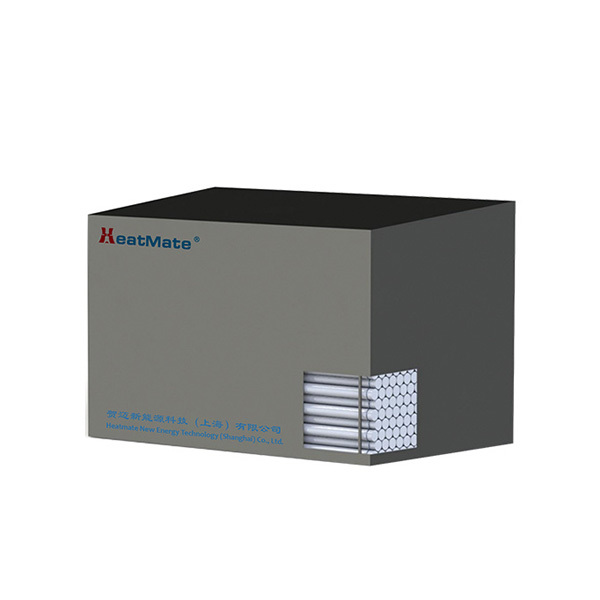
Understanding Phase Change Heating: An Innovative Approach in Renewable Energy
Phase change heating refers to the use of phase change materials (PCMs) to store and release thermal energy during the transition between solid and liquid states. This unique characteristic of PCMs makes them invaluable in various applications, particularly in the renewable energy sector. As industries strive to enhance energy efficiency and reduce environmental impact, understanding the potential
2026-08-21

Outdoor Heating Equipment: Enhancing Your Outdoor Experience for Year-Round Comfort
Outdoor Heating Equipment: Enhancing Your Outdoor Experience for Year-Round Comfort
Outdoor spaces have become integral to our lifestyle, offering a venue for relaxation, entertainment, and socializing. However, enjoying these areas during colder months can be challenging. Enter outdoor heating equipment—an essential addition that allows us to extend our outdoor enjoyment throughout the year. This
2026-08-16
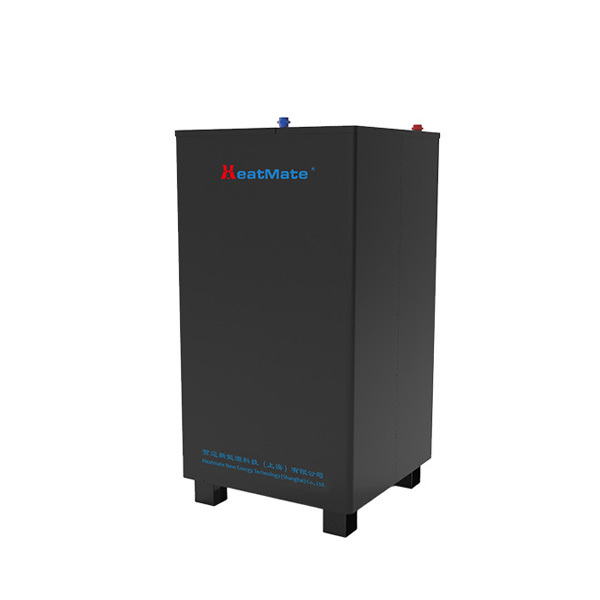
Exploring Non-Electric Outdoor Heating Equipment for Sustainable Energy Solutions
In the growing field of renewable energy, non-electric outdoor heating equipment is becoming an increasingly viable option for various applications. These systems provide heat without relying on electricity, making them particularly useful in off-grid settings, rural areas, or during power outages. Understanding the different types of non-electric outdoor heating equipment can help industry profes
2026-08-11

Service Hotline:

Shanghai (Headquarters)
398 Songying Road, Qingpu District, Shanghai


Online message
Links: Sunman New Energy | CATL | State Grid | HeatMate New Energy Technology (Hong Kong) Co., Ltd.