







Exploring the Science Behind Phase Change Cold Storage in Renewable Energy
2026-07-17
Exploring the Science Behind Phase Change Cold Storage in Renewable Energy
Table of Contents
1. Introduction to Phase Change Cold Storage
2. Understanding Phase Change Materials (PCMs)
3. The Science of Phase Change: How It Works
4. Applications of Phase Change Cold Storage
4.1 Renewable Energy Generation
4.2 Energy Conservation in Buildings
4.3 Industrial Applications
5. Benefits of Phase Change
Exploring the Science Behind Phase Change Cold Storage in Renewable Energy
Table of Contents
1. Introduction to Phase Change Cold Storage
2. Understanding Phase Change Materials (PCMs)
3. The Science of Phase Change: How It Works
4. Applications of Phase Change Cold Storage
4.1 Renewable Energy Generation
4.2 Energy Conservation in Buildings
4.3 Industrial Applications
5. Benefits of Phase Change Cold Storage
6. Challenges and Limitations
7. Future Prospects of Phase Change Technology in Renewable Energy
8. FAQs about Phase Change Cold Storage
9. Conclusion: The Role of Phase Change Cold Storage in a Sustainable Future
1. Introduction to Phase Change Cold Storage
The quest for sustainable energy solutions has led to significant advancements in energy storage technologies. Among these innovations, **phase change cold storage** stands out as a promising method for optimizing renewable energy systems. This technology leverages the unique properties of phase change materials (PCMs), which are capable of storing and releasing energy through phase transitions—primarily from solid to liquid and vice versa.
The integration of phase change cold storage can enhance the efficiency of renewable energy sources, such as solar and wind power, thereby addressing the intermittent nature of these resources. This article will explore the science behind phase change cold storage, its applications, benefits, and future potential in the renewable energy sector.
2. Understanding Phase Change Materials (PCMs)
Phase change materials (PCMs) are substances that absorb and release thermal energy during the process of melting and freezing. When a PCM transitions from solid to liquid, it absorbs heat, and when it solidifies, it releases heat. This unique characteristic makes PCMs ideal for thermal energy storage applications.
PCMs can be categorized into several types:
- **Organic PCMs**: These materials are derived from carbon-based compounds and include fatty acids and paraffins. They typically have a high energy storage capacity and are chemically stable.
- **Inorganic PCMs**: These materials consist of salts and salt hydrates. They often exhibit higher thermal conductivity and energy storage density compared to organic PCMs.
- **Eutectic PCMs**: These are mixtures of two or more components that have a lower melting point than any of the individual components. Eutectic PCMs can provide specific melting and solidification temperatures tailored for various applications.
Understanding the properties of these PCMs is crucial for optimizing their performance in energy storage systems.
3. The Science of Phase Change: How It Works
The fundamental principle behind phase change cold storage lies in the ability of materials to store energy during phase transitions. As a PCM absorbs heat, it transitions from a solid state (solidification) to a liquid state (melting). During this phase change, the PCM stores thermal energy, which can later be released when the temperature drops, causing the material to solidify again.
This process can be visualized as follows:
1. **Heat Absorption**: When excess energy is available (for instance, from solar panels during the day), the PCM absorbs this energy and undergoes a phase change from solid to liquid.
2. **Energy Storage**: The latent heat stored during this transformation can be kept for several hours or even days, depending on the environment and the specific PCM used.
3. **Heat Release**: When energy demand increases or the input from renewable sources decreases (like at night for solar power), the PCM solidifies, releasing the stored thermal energy to the surrounding environment.
This efficient energy storage mechanism not only stabilizes energy supply but also enhances the overall efficiency of renewable energy systems.
4. Applications of Phase Change Cold Storage
Phase change cold storage has a wide range of applications in renewable energy and beyond. Here, we examine some of the most notable uses.
4.1 Renewable Energy Generation
One of the primary applications of phase change cold storage is in renewable energy generation, particularly in solar energy systems. By integrating PCMs into solar thermal collectors, excess heat generated during peak sunlight hours can be stored and utilized when sunlight is not available, thereby providing a consistent energy supply and improving system efficiency.
4.2 Energy Conservation in Buildings
Buildings consume a significant portion of energy for heating and cooling. Utilizing PCMs in construction materials—such as walls, ceilings, and flooring—can help regulate indoor temperatures by absorbing excess heat during the day and releasing it at night. This thermal mass effect reduces the need for artificial heating and cooling, leading to substantial energy savings.
4.3 Industrial Applications
Industries with high energy demands can greatly benefit from phase change cold storage. For instance, in food processing and pharmaceutical production, temperature control is crucial. PCMs can be used in refrigeration systems to maintain optimal temperatures, reduce energy consumption, and extend the shelf life of products.
5. Benefits of Phase Change Cold Storage
The adoption of phase change cold storage technologies offers numerous benefits:
- **Enhanced Energy Efficiency**: By effectively storing and utilizing excess energy, phase change cold storage systems increase the overall efficiency of renewable energy systems.
- **Reduced Carbon Footprint**: As a sustainable energy solution, phase change cold storage contributes to lower greenhouse gas emissions by optimizing the use of renewable energy.
- **Cost Savings**: Through energy conservation and reduced reliance on traditional power sources, businesses and households can experience significant cost savings over time.
- **Temperature Regulation**: PCMs provide stable temperature control, which is particularly advantageous in both residential and industrial applications.
6. Challenges and Limitations
Despite its advantages, phase change cold storage technology does face certain challenges:
- **Material Costs**: Some advanced PCMs can be expensive to produce and may not be financially viable for all applications.
- **Thermal Conductivity**: Not all PCMs possess high thermal conductivity, which can limit their efficiency in transferring heat quickly.
- **Degradation Over Time**: PCMs can experience degradation after repeated phase transitions, affecting their performance and longevity.
Addressing these challenges is vital for the widespread adoption of phase change cold storage solutions.
7. Future Prospects of Phase Change Technology in Renewable Energy
The future of phase change cold storage in renewable energy looks promising. With ongoing research into more efficient and cost-effective PCMs, the potential for broader applications is expanding. Innovations in nanotechnology and composite materials could lead to the development of PCMs with enhanced thermal conductivity and stability, making them even more effective for energy storage.
Additionally, as the global demand for renewable energy solutions continues to grow, the integration of phase change cold storage into energy systems is likely to increase, paving the way for a more sustainable and energy-efficient future.
8. FAQs about Phase Change Cold Storage
1. What are the main benefits of using phase change materials?
**Phase change materials (PCMs)** offer benefits such as enhanced energy efficiency, reduced carbon footprint, and improved temperature regulation, making them ideal for renewable energy applications.
2. How do phase change materials work?
PCMs work by absorbing and releasing thermal energy during phase transitions, allowing them to store excess energy and provide a consistent energy supply when needed.
3. What types of phase change materials are commonly used?
Common types of PCMs include organic materials (like fatty acids), inorganic materials (like salts), and eutectic mixtures that are tailored for specific thermal characteristics.
4. Can phase change cold storage be used in residential applications?
Yes, phase change cold storage can be integrated into residential buildings, improving energy efficiency by regulating indoor temperatures and reducing heating and cooling costs.
5. What are the challenges of implementing phase change cold storage systems?
Challenges include high material costs, varying thermal conductivity, and potential degradation of PCMs over time, which can affect their performance.
9. Conclusion: The Role of Phase Change Cold Storage in a Sustainable Future
Phase change cold storage represents a significant advancement in the realm of renewable energy storage technologies. By harnessing the unique properties of phase change materials, we can optimize energy efficiency, reduce environmental impact, and enhance the reliability of renewable energy sources. As research progresses and technology evolves, phase change cold storage is poised to play an increasingly vital role in creating a sustainable energy future. Embracing this innovative approach can lead to a cleaner, more efficient world, making it an essential consideration for industries and households alike.
Key words:
Related News
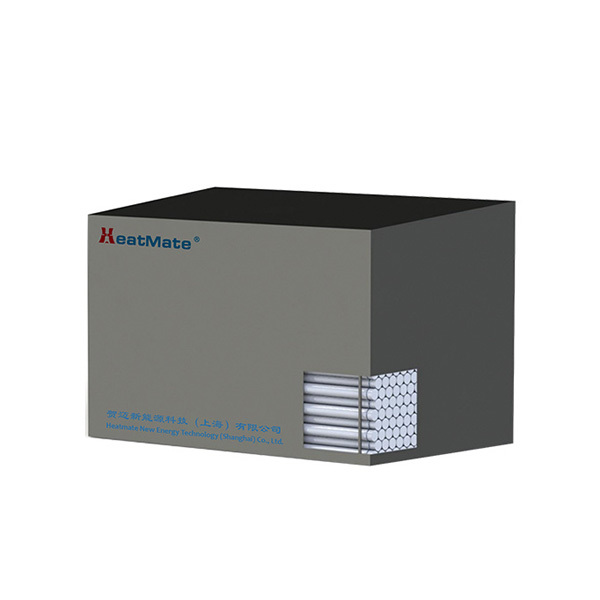
Understanding Phase Change Heating: An Innovative Approach in Renewable Energy
Phase change heating refers to the use of phase change materials (PCMs) to store and release thermal energy during the transition between solid and liquid states. This unique characteristic of PCMs makes them invaluable in various applications, particularly in the renewable energy sector. As industries strive to enhance energy efficiency and reduce environmental impact, understanding the potential
2026-08-21

Outdoor Heating Equipment: Enhancing Your Outdoor Experience for Year-Round Comfort
Outdoor Heating Equipment: Enhancing Your Outdoor Experience for Year-Round Comfort
Outdoor spaces have become integral to our lifestyle, offering a venue for relaxation, entertainment, and socializing. However, enjoying these areas during colder months can be challenging. Enter outdoor heating equipment—an essential addition that allows us to extend our outdoor enjoyment throughout the year. This
2026-08-16
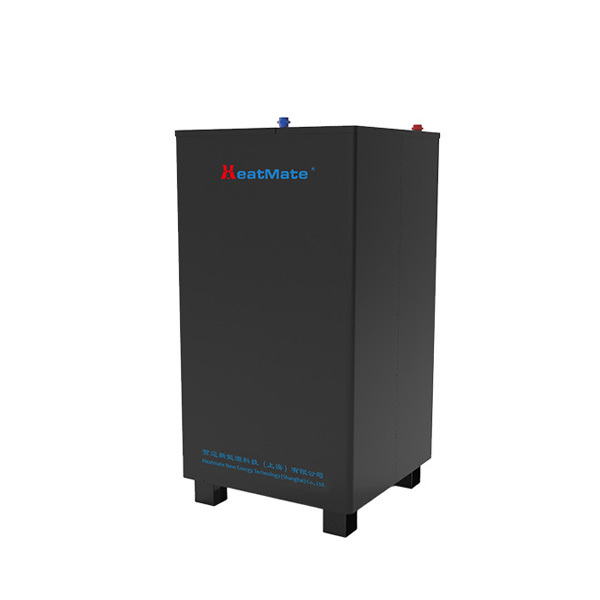
Exploring Non-Electric Outdoor Heating Equipment for Sustainable Energy Solutions
In the growing field of renewable energy, non-electric outdoor heating equipment is becoming an increasingly viable option for various applications. These systems provide heat without relying on electricity, making them particularly useful in off-grid settings, rural areas, or during power outages. Understanding the different types of non-electric outdoor heating equipment can help industry profes
2026-08-11

Service Hotline:

Shanghai (Headquarters)
398 Songying Road, Qingpu District, Shanghai


Online message
Links: Sunman New Energy | CATL | State Grid | HeatMate New Energy Technology (Hong Kong) Co., Ltd.