







Understanding Phase Change Heating in Renewable Energy Applications
2026-07-12
Phase change heating refers to a thermal energy storage process that utilizes phase change materials (PCMs). These materials can store and release significant amounts of heat when they transition between solid and liquid states. When temperature changes occur, PCMs absorb excess heat, effectively regulating temperature fluctuations. Conversely, when temperatures drop, they release stored heat, mai
Phase change heating refers to a thermal energy storage process that utilizes phase change materials (PCMs). These materials can store and release significant amounts of heat when they transition between solid and liquid states. When temperature changes occur, PCMs absorb excess heat, effectively regulating temperature fluctuations. Conversely, when temperatures drop, they release stored heat, maintaining a stable thermal environment.
In the metallurgy and mining industries, maintaining optimal temperatures is critical for various processes, including smelting and ore processing. Traditional heating methods can be energy-intensive and inefficient, leading to increased operational costs and environmental impacts. Phase change heating offers a more sustainable alternative, as it can enhance energy efficiency while minimizing greenhouse gas emissions.
One of the key advantages of phase change heating is its ability to improve the efficiency of thermal management systems. By integrating PCMs into existing heating systems, industries can benefit from reduced energy consumption. For example, during peak energy demand periods, when electricity rates are highest, PCMs can store excess heat generated from renewable sources, such as solar energy. Later, this stored heat can be used when demand is lower, optimizing energy usage and reducing costs.
Moreover, phase change heating systems are adaptable to various applications within the renewable energy sector. For instance, they can be employed in solar thermal systems, where the stored heat can be utilized to enhance energy output during cloudy periods or at night. This capability enhances the reliability and effectiveness of solar energy systems, making them more attractive to both consumers and businesses.
Furthermore, the use of phase change materials can contribute to enhancing the overall sustainability of energy systems. By reducing reliance on fossil fuels and minimizing waste heat, industries can align their operations with global sustainability goals. This not only helps in compliance with regulatory requirements but also enhances corporate responsibility.
In conclusion, phase change heating represents a forward-thinking approach that holds significant promise for the metallurgy, mining, and renewable energy industries. By adopting this technology, businesses can improve energy efficiency, reduce costs, and contribute to a greener future. As the demand for sustainable energy solutions continues to grow, integrating phase change heating into operational practices may become increasingly essential for maintaining competitive advantage in the evolving market landscape.
In the metallurgy and mining industries, maintaining optimal temperatures is critical for various processes, including smelting and ore processing. Traditional heating methods can be energy-intensive and inefficient, leading to increased operational costs and environmental impacts. Phase change heating offers a more sustainable alternative, as it can enhance energy efficiency while minimizing greenhouse gas emissions.
One of the key advantages of phase change heating is its ability to improve the efficiency of thermal management systems. By integrating PCMs into existing heating systems, industries can benefit from reduced energy consumption. For example, during peak energy demand periods, when electricity rates are highest, PCMs can store excess heat generated from renewable sources, such as solar energy. Later, this stored heat can be used when demand is lower, optimizing energy usage and reducing costs.
Moreover, phase change heating systems are adaptable to various applications within the renewable energy sector. For instance, they can be employed in solar thermal systems, where the stored heat can be utilized to enhance energy output during cloudy periods or at night. This capability enhances the reliability and effectiveness of solar energy systems, making them more attractive to both consumers and businesses.
Furthermore, the use of phase change materials can contribute to enhancing the overall sustainability of energy systems. By reducing reliance on fossil fuels and minimizing waste heat, industries can align their operations with global sustainability goals. This not only helps in compliance with regulatory requirements but also enhances corporate responsibility.
In conclusion, phase change heating represents a forward-thinking approach that holds significant promise for the metallurgy, mining, and renewable energy industries. By adopting this technology, businesses can improve energy efficiency, reduce costs, and contribute to a greener future. As the demand for sustainable energy solutions continues to grow, integrating phase change heating into operational practices may become increasingly essential for maintaining competitive advantage in the evolving market landscape.
Key words:
Related News
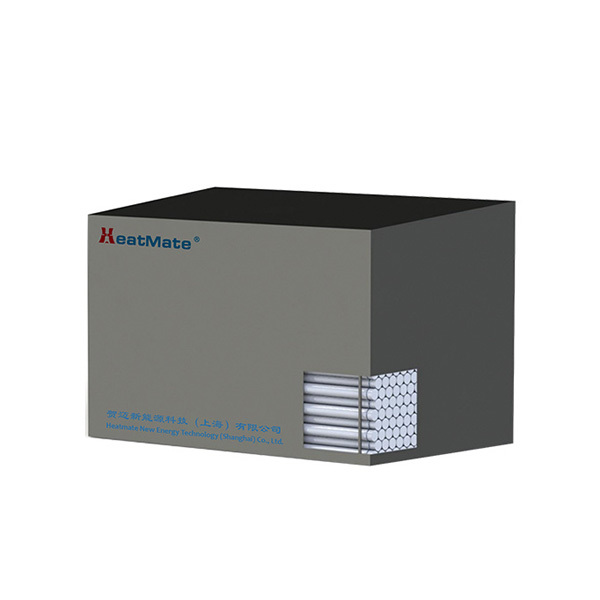
Understanding Phase Change Heating: An Innovative Approach in Renewable Energy
Phase change heating refers to the use of phase change materials (PCMs) to store and release thermal energy during the transition between solid and liquid states. This unique characteristic of PCMs makes them invaluable in various applications, particularly in the renewable energy sector. As industries strive to enhance energy efficiency and reduce environmental impact, understanding the potential
2026-08-21

Outdoor Heating Equipment: Enhancing Your Outdoor Experience for Year-Round Comfort
Outdoor Heating Equipment: Enhancing Your Outdoor Experience for Year-Round Comfort
Outdoor spaces have become integral to our lifestyle, offering a venue for relaxation, entertainment, and socializing. However, enjoying these areas during colder months can be challenging. Enter outdoor heating equipment—an essential addition that allows us to extend our outdoor enjoyment throughout the year. This
2026-08-16
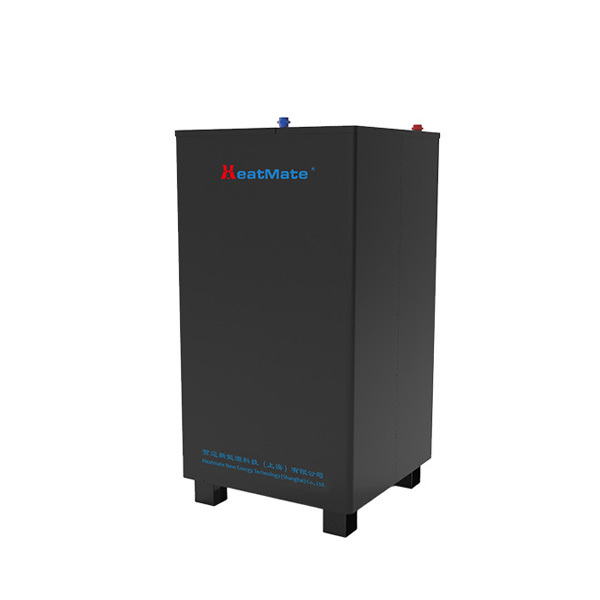
Exploring Non-Electric Outdoor Heating Equipment for Sustainable Energy Solutions
In the growing field of renewable energy, non-electric outdoor heating equipment is becoming an increasingly viable option for various applications. These systems provide heat without relying on electricity, making them particularly useful in off-grid settings, rural areas, or during power outages. Understanding the different types of non-electric outdoor heating equipment can help industry profes
2026-08-11

Service Hotline:

Shanghai (Headquarters)
398 Songying Road, Qingpu District, Shanghai


Online message
Links: Sunman New Energy | CATL | State Grid | HeatMate New Energy Technology (Hong Kong) Co., Ltd.