







Unlocking Efficiency: The Role of Phase Change Thermal Storage and Conduction in Renewable Energy
2026-02-19
In the context of metallurgy, mining, and renewable energy, the integration of phase change thermal storage (PCTS) systems offers a transformative approach to managing energy. PCTS leverages materials that absorb and release thermal energy during phase transitions, typically between solid and liquid states. This characteristic enables efficient energy storage and retrieval, making it particularly
In the context of metallurgy, mining, and renewable energy, the integration of phase change thermal storage (PCTS) systems offers a transformative approach to managing energy. PCTS leverages materials that absorb and release thermal energy during phase transitions, typically between solid and liquid states. This characteristic enables efficient energy storage and retrieval, making it particularly advantageous for solar energy applications.
One of the primary benefits of phase change materials (PCMs) is their high latent heat capacity. Unlike conventional thermal storage methods that rely on sensible heat, PCMs can store significantly more energy within a smaller volume. This property is particularly beneficial in solar energy systems, where energy availability can be intermittent. By utilizing PCMs, solar thermal plants can store excess energy during peak sunlight hours and release it during periods of low sunlight, ensuring a more reliable energy supply.
Conduction plays a pivotal role in the effectiveness of phase change thermal storage systems. The rate at which heat is transferred through materials directly impacts the efficiency of energy storage and retrieval. In PCTS applications, the design of heat exchangers and the choice of materials are critical to optimizing thermal conductivity. Materials with high thermal conductivity can improve the efficiency of heat transfer, allowing for quicker charging and discharging cycles. This aspect is particularly relevant for industries that rely on rapid energy turnaround, such as those in metallurgy and mining, where operational efficiency is paramount.
The implementation of PCTS systems can also lead to significant cost savings in energy management. By reducing the need for auxiliary heating systems and enabling better load leveling, companies can optimize their energy expenditures. Furthermore, in a landscape increasingly focused on sustainability, utilizing PCTS aligns with corporate social responsibility goals by minimizing carbon footprints associated with energy consumption.
In conclusion, phase change thermal storage and conduction represent critical components in the evolution of renewable energy technologies. For professionals in metallurgy, mining, and the broader renewable energy sector, understanding and leveraging these concepts can drive significant advancements in energy efficiency. As the industry continues to innovate, the integration of PCTS will likely play a vital role in shaping the future of renewable energy systems, enabling more sustainable and efficient operations.
One of the primary benefits of phase change materials (PCMs) is their high latent heat capacity. Unlike conventional thermal storage methods that rely on sensible heat, PCMs can store significantly more energy within a smaller volume. This property is particularly beneficial in solar energy systems, where energy availability can be intermittent. By utilizing PCMs, solar thermal plants can store excess energy during peak sunlight hours and release it during periods of low sunlight, ensuring a more reliable energy supply.
Conduction plays a pivotal role in the effectiveness of phase change thermal storage systems. The rate at which heat is transferred through materials directly impacts the efficiency of energy storage and retrieval. In PCTS applications, the design of heat exchangers and the choice of materials are critical to optimizing thermal conductivity. Materials with high thermal conductivity can improve the efficiency of heat transfer, allowing for quicker charging and discharging cycles. This aspect is particularly relevant for industries that rely on rapid energy turnaround, such as those in metallurgy and mining, where operational efficiency is paramount.
The implementation of PCTS systems can also lead to significant cost savings in energy management. By reducing the need for auxiliary heating systems and enabling better load leveling, companies can optimize their energy expenditures. Furthermore, in a landscape increasingly focused on sustainability, utilizing PCTS aligns with corporate social responsibility goals by minimizing carbon footprints associated with energy consumption.
In conclusion, phase change thermal storage and conduction represent critical components in the evolution of renewable energy technologies. For professionals in metallurgy, mining, and the broader renewable energy sector, understanding and leveraging these concepts can drive significant advancements in energy efficiency. As the industry continues to innovate, the integration of PCTS will likely play a vital role in shaping the future of renewable energy systems, enabling more sustainable and efficient operations.
Key words:
Related News
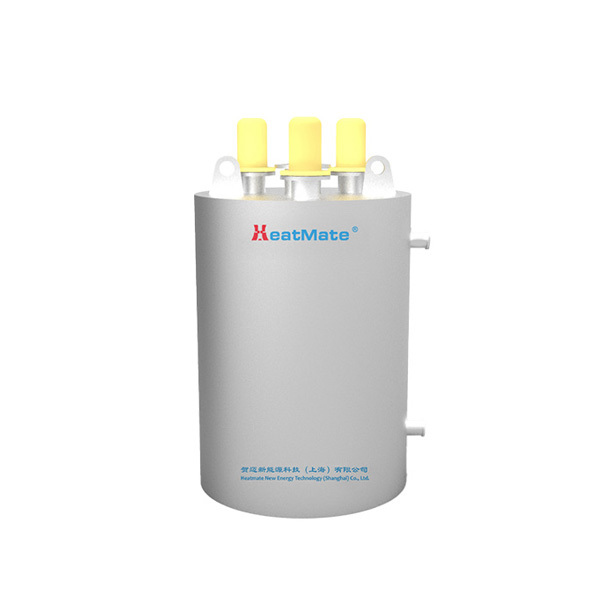
Exploring the Benefits and Applications of Steam Hot Pools in Renewable Energy
Steam hot pools, often associated with geothermal energy, are natural or artificially created bodies of water that are heated by geothermal energy sources. In the realm of renewable energy, steam hot pools serve as an intriguing option for harnessing thermal energy. Their significance extends beyond mere heating; they can be instrumental in various industrial applications, especially in metallurgy
2026-03-21

Understanding Phase Change Cold Storage: A Game Changer for the Solar Industry
Understanding Phase Change Cold Storage: A Game Changer for the Solar Industry
The advancement of technology in the solar industry has opened up a world of possibilities for sustainable energy solutions. One of the most promising developments is **phase change cold storage (PCCS)**. As we delve into this topic, we will explore how PCCS can significantly enhance the effectiveness and reliability of
2026-03-16
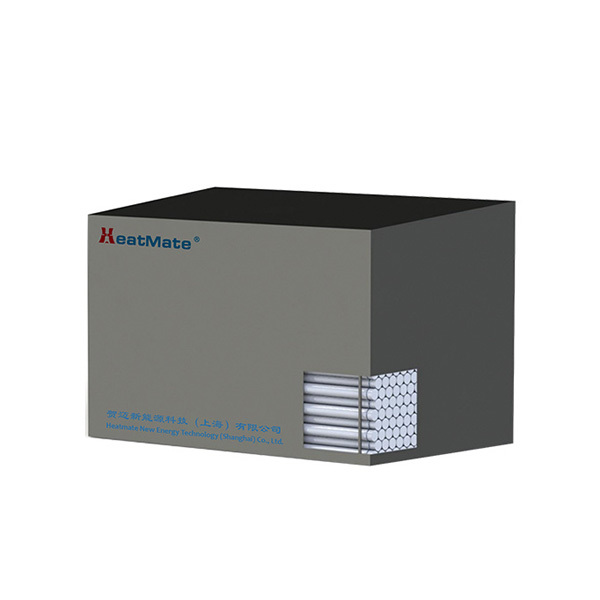
Understanding Phase Change Heating: A Key to Renewable Energy Efficiency
Phase change heating is an innovative technology that leverages the principles of thermal energy storage through phase change materials (PCMs). These materials absorb and release thermal energy during phase transitions, typically between solid and liquid states. This capability makes phase change heating particularly advantageous in optimizing energy consumption and improving efficiency in various
2026-03-11

Service Hotline:

Shanghai (Headquarters)
398 Songying Road, Qingpu District, Shanghai


Online message
Links: Sunman New Energy | CATL | State Grid | HeatMate New Energy Technology (Hong Kong) Co., Ltd.