







Why Your Renewable Energy System Needs Thermal Storage Solutions
2026-02-14
Why Your Renewable Energy System Needs Thermal Storage Solutions
In the quest for sustainable energy, **renewable sources** like solar and wind are at the forefront. However, one of the significant challenges these energy systems face is their inherent intermittency. This is where **thermal storage solutions** come into play, offering a pivotal way to enhance the reliability and efficiency of rene
Why Your Renewable Energy System Needs Thermal Storage Solutions
In the quest for sustainable energy, **renewable sources** like solar and wind are at the forefront. However, one of the significant challenges these energy systems face is their inherent intermittency. This is where **thermal storage solutions** come into play, offering a pivotal way to enhance the reliability and efficiency of renewable energy systems. In this comprehensive article, we will delve into the importance of thermal storage, different types available, and how they can be integrated effectively within renewable energy frameworks.
Understanding Thermal Storage Solutions
Thermal storage refers to the technology that allows energy to be stored in the form of heat, which can be used later when required. This contrasts with traditional electrical storage systems like batteries, providing a unique approach to managing energy supply and demand.
Types of Thermal Storage Systems
1. **Sensible Heat Storage**
- **Definition**: Sensible heat storage involves heating a medium (like water or rocks) to store thermal energy.
- **Example**: A common example includes water tanks used in solar thermal systems, where heated water can be stored for later use.
2. **Latent Heat Storage**
- **Definition**: This system uses phase change materials (PCMs) that absorb or release heat during phase transitions (e.g., solid to liquid).
- **Example**: PCMs are often used in building materials to regulate indoor temperatures.
3. **Thermochemical Storage**
- **Definition**: This method stores energy through chemical reactions, releasing it when the reaction is reversed.
- **Example**: Certain salts and other chemical compounds can serve as effective thermal energy storage systems.
Why Thermal Storage is Crucial for Renewable Energy Systems
The integration of thermal storage solutions into renewable energy systems addresses several key challenges:
1. Managing Intermittency
Renewable energy sources like solar and wind are not constant—solar power is affected by the time of day and weather conditions, while wind power fluctuates with wind speeds. Thermal storage helps **bridge the gap** between supply and demand, storing excess energy generated during peak production times for later use when production drops.
2. Enhancing Grid Stability
As more renewables enter the grid, maintaining stability becomes increasingly complex. **Thermal storage systems** can provide a buffering capacity, smoothing out the fluctuations and ensuring a stable energy supply, thereby enhancing grid reliability.
3. Reducing Energy Costs
With the ability to store thermal energy, businesses and homeowners can shift their energy consumption to off-peak periods, reducing electricity costs. This is particularly beneficial in regions where time-of-use pricing is implemented, allowing users to capitalize on lower rates during off-peak hours.
4. Supporting Decarbonization Efforts
Thermal storage solutions align with global initiatives to reduce carbon footprints. By optimizing the use of renewable energy and minimizing reliance on fossil fuels, thermal storage plays a crucial role in the transition toward a sustainable energy future.
Implementing Thermal Storage in Your Renewable Energy System
For those considering the integration of thermal storage solutions in their renewable energy systems, the following steps should be considered:
1. Assessing Energy Needs
Understanding your energy consumption patterns is the first step. Analyze data to identify peak usage times and how thermal storage can offset these demands.
2. Selecting the Appropriate Technology
With various thermal storage options available, choosing the right technology is crucial. Consider factors like **cost**, **space requirements**, and **efficiency** when selecting the most suitable system for your needs.
3. Integration with Existing Systems
Thermal storage can be incorporated into existing renewable energy systems. This may involve retrofitting current setups to include storage capabilities or designing new systems with integrated thermal solutions from the outset.
4. Monitoring and Optimization
Once implemented, ongoing monitoring is essential to optimize performance. Use smart technology to track energy production and consumption, ensuring that the thermal storage system is working effectively.
Case Studies: Successful Implementation of Thermal Storage Solutions
To illustrate the effectiveness of thermal storage solutions, let’s explore several successful implementations around the world:
1. Concentrated Solar Power Plants
Many concentrated solar power (CSP) plants, such as the **Ivanpah Solar Electric Generating System** in California, utilize thermal storage to extend their operational hours. By storing heat energy in molten salt, these plants can generate electricity even when the sun isn't shining.
2. District Heating Systems
In countries like Denmark, district heating systems employ thermal storage to balance supply and demand effectively. By using large hot water tanks, these systems can store heat generated from renewable sources, ensuring consistent heating for residents even during cold spells.
3. Industrial Applications
Companies in various industries are adopting thermal storage solutions to manage energy costs. For example, some manufacturing plants use ice storage systems to provide cooling during peak hours, shifting energy usage to off-peak times and reducing costs.
The Future of Thermal Storage in Renewable Energy
As renewable energy technology continues to evolve, so will thermal storage solutions. Innovations in materials and methodologies promise to enhance efficiency and reduce costs further. Emerging technologies, such as **advanced phase change materials** and **thermochemical storage**, show great potential for improving energy storage capabilities.
Policy Support and Incentives
Governments worldwide are recognizing the importance of thermal storage in achieving energy goals. Incentives and subsidies for adopting thermal storage technologies can encourage wider implementation, facilitating a smoother transition to renewable energy sources.
FAQs About Thermal Storage Solutions
1. What is thermal storage in renewable energy?
Thermal storage is a system that stores energy in the form of heat, allowing it to be used later when needed. It helps manage energy supply and demand efficiently in renewable energy systems.
2. How does thermal storage improve energy efficiency?
By storing excess energy generated during peak production periods, thermal storage ensures that energy is available during periods of low production, thus improving overall energy efficiency.
3. What are the advantages of using thermal storage over battery storage?
Thermal storage often provides a more cost-effective solution than battery storage, especially for large scale applications. It also has a longer life span and is less environmentally hazardous compared to chemical batteries.
4. Can thermal storage be integrated with existing renewable energy systems?
Yes, thermal storage can easily be integrated with existing renewable energy systems, enhancing their efficiency without the need for complete overhauls.
5. What types of thermal storage systems are available?
The main types of thermal storage systems include sensible heat storage, latent heat storage, and thermochemical storage, each with its unique properties and applications.
Conclusion
Incorporating **thermal storage solutions** into renewable energy systems is not just an option; it is becoming a necessity for achieving sustainability and efficiency. By addressing the challenges of intermittency and enhancing grid stability, thermal storage offers a pathway to a more reliable and cost-effective renewable energy future. As technologies advance and grow more accessible, the role of thermal storage will only become more significant, paving the way for a greener, more sustainable world.
Key words:
Related News
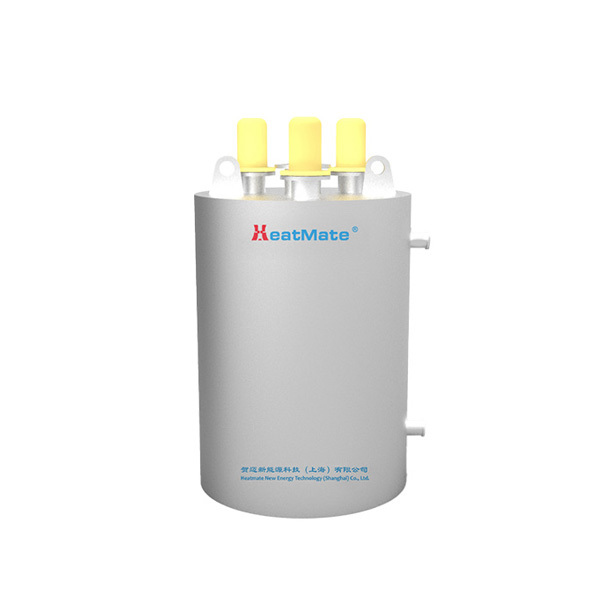
Exploring the Benefits and Applications of Steam Hot Pools in Renewable Energy
Steam hot pools, often associated with geothermal energy, are natural or artificially created bodies of water that are heated by geothermal energy sources. In the realm of renewable energy, steam hot pools serve as an intriguing option for harnessing thermal energy. Their significance extends beyond mere heating; they can be instrumental in various industrial applications, especially in metallurgy
2026-03-21

Understanding Phase Change Cold Storage: A Game Changer for the Solar Industry
Understanding Phase Change Cold Storage: A Game Changer for the Solar Industry
The advancement of technology in the solar industry has opened up a world of possibilities for sustainable energy solutions. One of the most promising developments is **phase change cold storage (PCCS)**. As we delve into this topic, we will explore how PCCS can significantly enhance the effectiveness and reliability of
2026-03-16
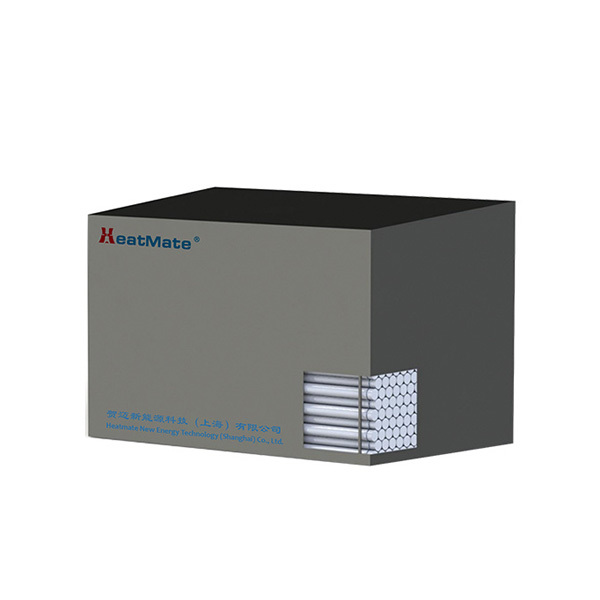
Understanding Phase Change Heating: A Key to Renewable Energy Efficiency
Phase change heating is an innovative technology that leverages the principles of thermal energy storage through phase change materials (PCMs). These materials absorb and release thermal energy during phase transitions, typically between solid and liquid states. This capability makes phase change heating particularly advantageous in optimizing energy consumption and improving efficiency in various
2026-03-11

Service Hotline:

Shanghai (Headquarters)
398 Songying Road, Qingpu District, Shanghai


Online message
Links: Sunman New Energy | CATL | State Grid | HeatMate New Energy Technology (Hong Kong) Co., Ltd.