







The Impact of Mobile Container Cold Storage on Renewable Energy Development
2026-06-27
The Impact of Mobile Container Cold Storage on Renewable Energy Development
Introduction
In the face of climate change, the renewable energy sector is undergoing rapid evolution. One of the most exciting developments in this field is the emergence of mobile container cold storage solutions. These innovative systems are shaping the future of renewable energy by improving efficiency and sustainabili
The Impact of Mobile Container Cold Storage on Renewable Energy Development
Introduction
In the face of climate change, the renewable energy sector is undergoing rapid evolution. One of the most exciting developments in this field is the emergence of mobile container cold storage solutions. These innovative systems are shaping the future of renewable energy by improving efficiency and sustainability. This article explores how mobile container cold storage affects renewable energy development, its applications, benefits, and its role in optimizing energy management.
Understanding Mobile Container Cold Storage
Mobile container cold storage refers to portable refrigeration units designed to maintain low temperatures for various applications. These containers are particularly useful in sectors like food preservation, pharmaceuticals, and now, increasingly, in renewable energy. By employing advanced technology, these units can store energy in the form of cooled liquids or gases, which can be converted back to energy when needed.
The Technology Behind Mobile Container Cold Storage
Mobile container cold storage utilizes cutting-edge refrigeration technology coupled with energy storage systems. The integration of solar panels and battery systems allows these containers to operate independently from the grid. This technology not only preserves energy but also optimizes its use, making it a perfect fit for renewable energy applications.
Applications in Renewable Energy
Mobile container cold storage has several applications within the renewable energy sector, including:
Energy Storage for Solar Power
Storing excess solar energy in mobile cold storage units enables efficient energy management. During peak sunlight hours, solar panels can generate more electricity than needed. Instead of wasting this energy, it can be converted into thermal energy stored in mobile containers.
Supporting Wind Energy Initiatives
Similar to solar applications, mobile cold storage can help store excess energy generated by wind turbines. This storage method allows for a more stable and reliable energy supply, especially during periods of low demand.
Enhancing Grid Stability
By providing a reliable source of stored energy, mobile container cold storage plays a crucial role in stabilizing the grid. These systems can release energy back into the grid during peak demand periods, reducing the strain on traditional power sources.
The Benefits of Mobile Container Cold Storage in Renewable Energy
The implementation of mobile container cold storage systems in renewable energy initiatives offers numerous benefits:
1. Increased Efficiency
Mobile container cold storage allows for better energy management by storing excess energy generated during peak production times. This enhances the overall efficiency of renewable energy systems and reduces waste.
2. Flexibility and Mobility
These storage units are portable, allowing them to be deployed in various locations as needed. This flexibility is particularly beneficial in remote areas where traditional energy infrastructure may be lacking.
3. Cost-Effectiveness
Investing in mobile container cold storage can lead to significant cost savings in the long run. By optimizing energy use and minimizing waste, organizations can reduce their overall energy expenses.
4. Environmental Impact
By enhancing the efficiency of renewable energy systems, mobile container cold storage contributes to reducing reliance on fossil fuels. This shift not only lowers greenhouse gas emissions but also supports sustainability goals.
Challenges and Considerations
While mobile container cold storage holds great promise, several challenges need to be addressed:
1. Initial Investment Costs
The upfront costs associated with mobile container cold storage technology can be significant. Organizations must weigh the benefits against these costs when considering implementation.
2. Technological Limitations
The technology surrounding mobile container cold storage is still evolving. Ensuring reliability and efficiency is crucial for broader adoption in the renewable energy sector.
3. Regulatory Hurdles
Navigating the regulatory landscape can pose challenges. Organizations must understand local regulations surrounding energy storage and cold storage solutions to remain compliant.
Case Studies: Successful Implementation of Mobile Container Cold Storage
Examining real-world examples provides valuable insights into the impact of mobile container cold storage on renewable energy development.
Case Study 1: Solar Farms
One notable implementation occurred at a large solar farm, where mobile container cold storage was used to store excess energy during peak sunlight hours. The stored energy was later released during high demand periods, significantly enhancing the farm's energy efficiency.
Case Study 2: Agricultural Applications
In the agricultural sector, mobile cold storage units have been deployed to store harvested crops. By utilizing renewable energy to power these units, farmers can maintain the quality of their produce while minimizing energy costs.
Future Trends in Mobile Container Cold Storage and Renewable Energy
Looking forward, several trends are likely to shape the future of mobile container cold storage in renewable energy:
1. Integration with Smart Grid Technology
The combination of mobile cold storage with smart grid technology will enable more efficient energy distribution and management, enhancing grid resilience.
2. Advancements in Refrigeration Technology
Ongoing advancements in refrigeration technology will make mobile container cold storage units even more efficient and environmentally friendly.
3. Increased Adoption in Emerging Markets
As renewable energy becomes more critical globally, emerging markets will likely see increased adoption of mobile container cold storage solutions to enhance energy management.
Frequently Asked Questions (FAQs)
1. What is mobile container cold storage?
Mobile container cold storage refers to portable refrigeration units designed to store low-temperature materials, often used in renewable energy applications to manage excess energy.
2. How does mobile cold storage benefit renewable energy?
It enhances energy efficiency by storing excess energy for later use, supports grid stability, and reduces waste.
3. What are the challenges of implementing mobile cold storage?
Challenges include initial investment costs, technological limitations, and navigating regulatory frameworks.
4. Can mobile container cold storage be used in remote locations?
Yes, the portability and flexibility of mobile container cold storage make it ideal for deployment in remote areas lacking traditional energy infrastructure.
5. What is the future of mobile container cold storage in renewable energy?
Future trends include integration with smart grid technology, advancements in refrigeration technology, and increased adoption in emerging markets.
Conclusion
The impact of mobile container cold storage on renewable energy development is profound and multifaceted. As renewable energy continues to evolve, these innovative storage solutions are poised to play a critical role in enhancing efficiency, flexibility, and sustainability. By embracing mobile container cold storage, organizations can optimize their energy management strategies, reduce waste, and contribute to a greener future. The journey towards a sustainable energy landscape is ongoing, and mobile container cold storage is an essential part of that journey.
Key words:
Related News
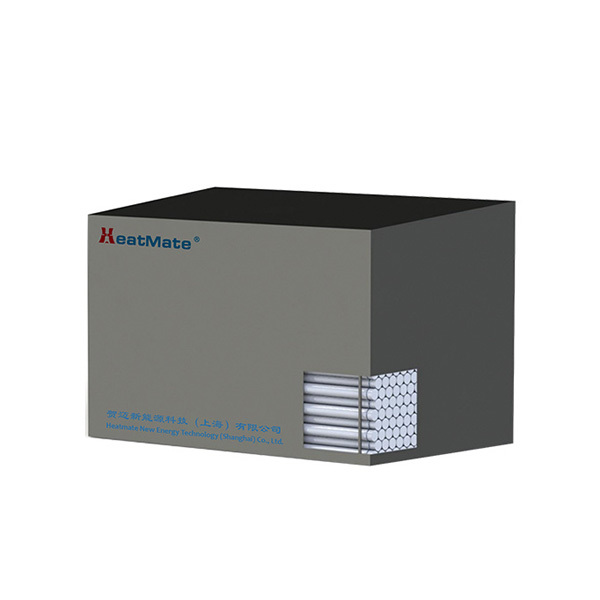
Understanding Phase Change Heating: An Innovative Approach in Renewable Energy
Phase change heating refers to the use of phase change materials (PCMs) to store and release thermal energy during the transition between solid and liquid states. This unique characteristic of PCMs makes them invaluable in various applications, particularly in the renewable energy sector. As industries strive to enhance energy efficiency and reduce environmental impact, understanding the potential
2026-08-21

Outdoor Heating Equipment: Enhancing Your Outdoor Experience for Year-Round Comfort
Outdoor Heating Equipment: Enhancing Your Outdoor Experience for Year-Round Comfort
Outdoor spaces have become integral to our lifestyle, offering a venue for relaxation, entertainment, and socializing. However, enjoying these areas during colder months can be challenging. Enter outdoor heating equipment—an essential addition that allows us to extend our outdoor enjoyment throughout the year. This
2026-08-16
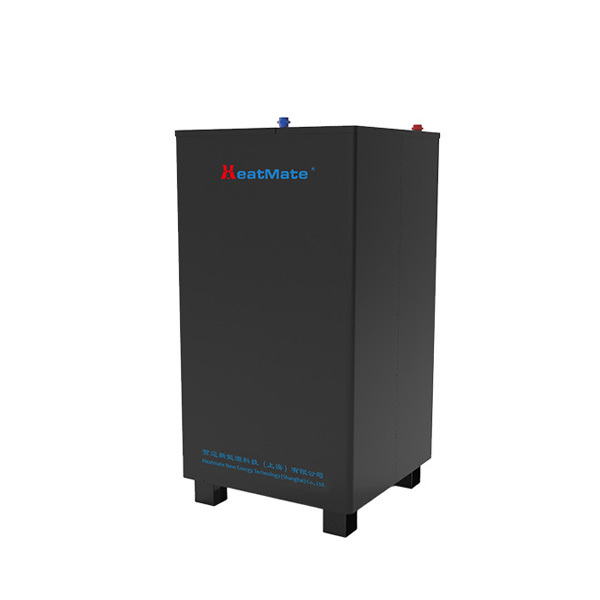
Exploring Non-Electric Outdoor Heating Equipment for Sustainable Energy Solutions
In the growing field of renewable energy, non-electric outdoor heating equipment is becoming an increasingly viable option for various applications. These systems provide heat without relying on electricity, making them particularly useful in off-grid settings, rural areas, or during power outages. Understanding the different types of non-electric outdoor heating equipment can help industry profes
2026-08-11

Service Hotline:

Shanghai (Headquarters)
398 Songying Road, Qingpu District, Shanghai


Online message
Links: Sunman New Energy | CATL | State Grid | HeatMate New Energy Technology (Hong Kong) Co., Ltd.