







Understanding Phase Change Heating: Innovative Solutions for Renewable Energy
2026-05-30
Phase change heating is a fascinating concept that revolves around the use of phase change materials (PCMs) to store and release thermal energy. These materials undergo a phase transition—typically from solid to liquid or vice versa—at a specific temperature, which allows them to absorb or release heat effectively. In the context of metallurgy and renewable energy, phase change heating offers inno
Phase change heating is a fascinating concept that revolves around the use of phase change materials (PCMs) to store and release thermal energy. These materials undergo a phase transition—typically from solid to liquid or vice versa—at a specific temperature, which allows them to absorb or release heat effectively. In the context of metallurgy and renewable energy, phase change heating offers innovative solutions that can significantly improve energy efficiency and sustainability.
One of the primary advantages of phase change heating is its ability to enhance energy storage capabilities. PCMs can store excess thermal energy generated from renewable sources, such as solar panels, during peak production times. This stored energy can then be released when demand peaks, ensuring a stable energy supply and reducing reliance on fossil fuels. This not only promotes energy efficiency but also contributes to the reduction of greenhouse gas emissions, aligning with global sustainability goals.
In the metallurgy sector, phase change heating can be utilized in various applications. For instance, during the metal processing stages, effective thermal management is crucial to maintain the quality and properties of the materials being handled. By incorporating phase change materials into heating systems, manufacturers can achieve a consistent thermal profile, improving both efficiency and product quality. Moreover, the ability to recycle heat through PCMs can further enhance operational efficiency, leading to significant cost savings over time.
Another notable application of phase change heating is in energy-efficient building designs. By integrating phase change materials into building structures, it is possible to regulate indoor temperatures more effectively, reducing the need for conventional heating and cooling systems. This passive thermal regulation plays a critical role in decreasing energy consumption, leading to lower operational costs and a reduced environmental footprint.
Furthermore, advancements in material science continue to improve the performance of phase change materials, making them more accessible and practical for widespread use. Ongoing research into new formulations and composites promises to enhance the thermal conductivity and capacity of these materials, expanding their applicability across various industries.
In summary, phase change heating represents a transformative approach within the renewable energy landscape, offering efficient energy storage solutions and enhancing thermal management across sectors. By understanding and implementing phase change technologies, businesses in metallurgy and other fields can not only improve their operational efficiencies but also contribute to a more sustainable future. Embracing these innovative solutions is essential for moving towards a greener energy paradigm, benefitting both the economy and the environment alike.
One of the primary advantages of phase change heating is its ability to enhance energy storage capabilities. PCMs can store excess thermal energy generated from renewable sources, such as solar panels, during peak production times. This stored energy can then be released when demand peaks, ensuring a stable energy supply and reducing reliance on fossil fuels. This not only promotes energy efficiency but also contributes to the reduction of greenhouse gas emissions, aligning with global sustainability goals.
In the metallurgy sector, phase change heating can be utilized in various applications. For instance, during the metal processing stages, effective thermal management is crucial to maintain the quality and properties of the materials being handled. By incorporating phase change materials into heating systems, manufacturers can achieve a consistent thermal profile, improving both efficiency and product quality. Moreover, the ability to recycle heat through PCMs can further enhance operational efficiency, leading to significant cost savings over time.
Another notable application of phase change heating is in energy-efficient building designs. By integrating phase change materials into building structures, it is possible to regulate indoor temperatures more effectively, reducing the need for conventional heating and cooling systems. This passive thermal regulation plays a critical role in decreasing energy consumption, leading to lower operational costs and a reduced environmental footprint.
Furthermore, advancements in material science continue to improve the performance of phase change materials, making them more accessible and practical for widespread use. Ongoing research into new formulations and composites promises to enhance the thermal conductivity and capacity of these materials, expanding their applicability across various industries.
In summary, phase change heating represents a transformative approach within the renewable energy landscape, offering efficient energy storage solutions and enhancing thermal management across sectors. By understanding and implementing phase change technologies, businesses in metallurgy and other fields can not only improve their operational efficiencies but also contribute to a more sustainable future. Embracing these innovative solutions is essential for moving towards a greener energy paradigm, benefitting both the economy and the environment alike.
Key words:
Related News
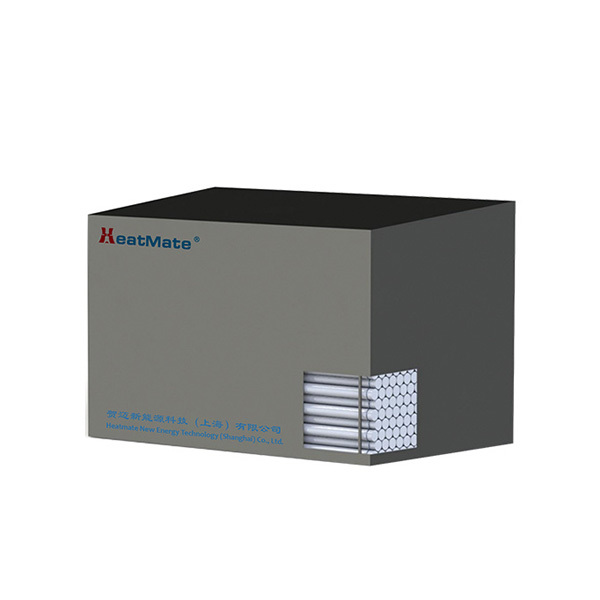
Understanding Phase Change Heating: An Innovative Approach in Renewable Energy
Phase change heating refers to the use of phase change materials (PCMs) to store and release thermal energy during the transition between solid and liquid states. This unique characteristic of PCMs makes them invaluable in various applications, particularly in the renewable energy sector. As industries strive to enhance energy efficiency and reduce environmental impact, understanding the potential
2026-08-21

Outdoor Heating Equipment: Enhancing Your Outdoor Experience for Year-Round Comfort
Outdoor Heating Equipment: Enhancing Your Outdoor Experience for Year-Round Comfort
Outdoor spaces have become integral to our lifestyle, offering a venue for relaxation, entertainment, and socializing. However, enjoying these areas during colder months can be challenging. Enter outdoor heating equipment—an essential addition that allows us to extend our outdoor enjoyment throughout the year. This
2026-08-16
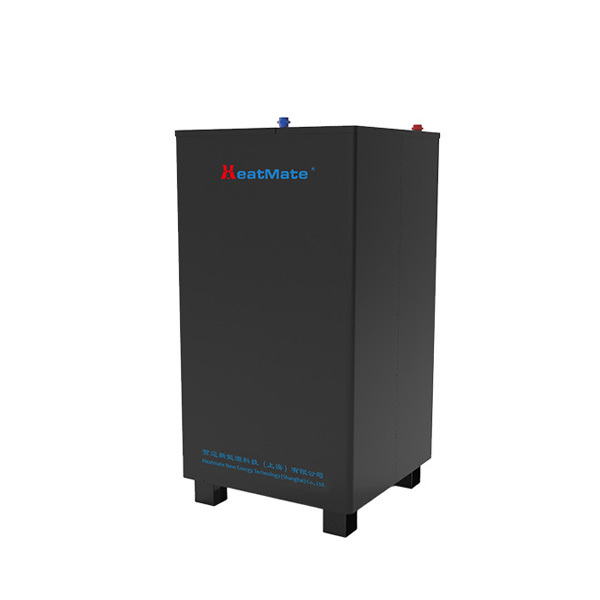
Exploring Non-Electric Outdoor Heating Equipment for Sustainable Energy Solutions
In the growing field of renewable energy, non-electric outdoor heating equipment is becoming an increasingly viable option for various applications. These systems provide heat without relying on electricity, making them particularly useful in off-grid settings, rural areas, or during power outages. Understanding the different types of non-electric outdoor heating equipment can help industry profes
2026-08-11

Service Hotline:

Shanghai (Headquarters)
398 Songying Road, Qingpu District, Shanghai


Online message
Links: Sunman New Energy | CATL | State Grid | HeatMate New Energy Technology (Hong Kong) Co., Ltd.