







The Future of Energy: How Thermal Storage Components Enhance Sustainability
2026-05-14
The Future of Energy: How Thermal Storage Components Enhance Sustainability
Table of Contents
1. Introduction to Thermal Storage
2. The Importance of Renewable Energy
3. What is Thermal Storage?
4. Types of Thermal Storage Technologies
4.1 Sensible Heat Storage
4.2 Latent Heat Storage
4.3 Thermochemical Storage
5. Bene
The Future of Energy: How Thermal Storage Components Enhance Sustainability
Table of Contents
- 1. Introduction to Thermal Storage
- 2. The Importance of Renewable Energy
- 3. What is Thermal Storage?
- 4. Types of Thermal Storage Technologies
- 5. Benefits of Thermal Storage Components
- 6. Thermal Storage's Role in Sustainability
- 7. Future Trends in Thermal Storage Technology
- 8. Conclusion
- 9. FAQs
1. Introduction to Thermal Storage
In the ever-evolving landscape of energy production and consumption, **thermal storage components** play a crucial role in enhancing **sustainability**. As we transition to cleaner energy solutions, understanding how these components function and their significance becomes increasingly important. This article delves into the intricacies of thermal storage and its potential to revolutionize our approach to energy.
2. The Importance of Renewable Energy
Renewable energy has emerged as a critical solution to combat climate change and reduce dependency on fossil fuels. With the rising global demand for clean energy, solutions such as **solar**, **wind**, and **hydro power** are gaining popularity. However, the intermittent nature of these energy sources often leads to inefficiencies. This is where thermal storage components come into play, enabling us to harness and store excess energy for later use.
3. What is Thermal Storage?
**Thermal storage** refers to the technology that allows for the storage of thermal energy for later use. It captures excess heat generated from renewable sources and stores it, facilitating a consistent energy supply. By utilizing thermal storage, energy systems can effectively balance supply and demand, minimizing waste and optimizing efficiency.
4. Types of Thermal Storage Technologies
There are three primary types of thermal storage technologies, each with unique characteristics and applications. Understanding these types is crucial for optimizing energy systems.
4.1 Sensible Heat Storage
Sensible heat storage involves heating or cooling a material to store thermal energy. Commonly used materials include water and rocks. The temperature change in these materials correlates directly with the amount of energy stored. This method is straightforward and cost-effective, making it a popular choice for various applications.
4.2 Latent Heat Storage
Latent heat storage utilizes phase change materials (PCMs) to store and release energy. These materials can absorb significant amounts of heat during a phase change (e.g., solid to liquid) without a significant temperature increase. This technology is highly efficient and can store energy in a compact form, making it ideal for applications where space is limited.
4.3 Thermochemical Storage
Thermochemical storage involves storing energy in the form of chemical potential energy. This method uses reversible chemical reactions to absorb and release energy. While still in the experimental stages, thermochemical storage holds promise for high-density energy storage applications, such as in large-scale energy systems.
5. Benefits of Thermal Storage Components
The integration of thermal storage components into energy systems offers numerous benefits that contribute to a more sustainable future:
- **Enhanced Energy Efficiency**: By storing excess energy, thermal storage systems can release it during peak demand, improving overall energy efficiency.
- **Reduced Carbon Footprint**: Utilizing renewable energy sources and effectively managing their output helps in reducing greenhouse gas emissions.
- **Cost-Effectiveness**: Thermal storage can lower energy costs by reducing reliance on expensive peak power sources.
- **Grid Stability**: Thermal storage helps stabilize the grid by balancing supply and demand fluctuations, thus reducing the risk of blackouts.
6. Thermal Storage's Role in Sustainability
Thermal storage components play a pivotal role in enhancing the sustainability of energy systems. By enabling the efficient use of renewable energy, they help to:
- **Facilitate the Transition to Renewables**: As more countries commit to renewable energy goals, thermal storage provides a necessary bridge to ensure reliable energy supply.
- **Support Energy Independence**: By reducing reliance on imported fossil fuels, countries can enhance their energy independence and security.
- **Promote Technological Innovation**: The demand for advanced thermal storage solutions drives innovation, leading to new technologies that further enhance sustainability.
7. Future Trends in Thermal Storage Technology
As the world continues to embrace renewable energy, several trends are shaping the future of thermal storage technology:
- **Increased Research and Development**: Ongoing R&D efforts are focused on developing more efficient and cost-effective thermal storage materials and systems.
- **Integration with Smart Grids**: Thermal storage systems are increasingly being integrated with smart grid technology, allowing for improved energy management and efficiency.
- **Expansion of Applications**: Beyond traditional uses, thermal storage is finding applications in various sectors, including electric vehicles, industrial processes, and residential heating and cooling systems.
8. Conclusion
Thermal storage components represent a significant advancement in our approach to energy sustainability. By enabling the efficient use and storage of renewable energy, these technologies are paving the way for a greener future. As we continue to innovate and improve thermal storage systems, we can expect to see even greater contributions to energy efficiency, reduced carbon emissions, and enhanced energy independence.
9. FAQs
What are thermal storage components?
Thermal storage components are technologies that capture and store thermal energy for later use, allowing for more efficient energy management in renewable energy systems.
How does thermal storage enhance sustainability?
Thermal storage enhances sustainability by improving energy efficiency, reducing reliance on fossil fuels, and allowing for better integration of renewable energy sources.
What are the different types of thermal storage technologies?
The three main types of thermal storage technologies are sensible heat storage, latent heat storage, and thermochemical storage.
What benefits do thermal storage systems offer?
Benefits of thermal storage systems include enhanced energy efficiency, reduced carbon footprint, cost-effectiveness, and improved grid stability.
What is the future of thermal storage technology?
The future of thermal storage technology includes increased research and development, integration with smart grids, and expansion into various applications beyond traditional uses.
By understanding the significance of thermal storage components, we can better appreciate their role in creating a sustainable energy future.
Key words:
Related News
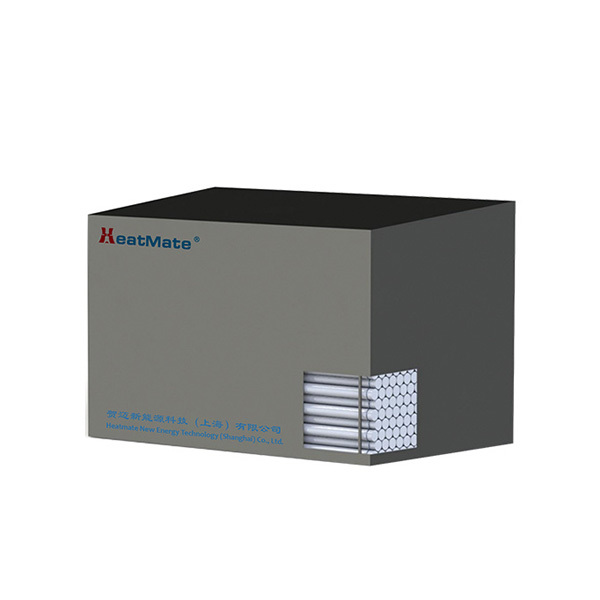
Understanding Phase Change Heating: An Innovative Approach in Renewable Energy
Phase change heating refers to the use of phase change materials (PCMs) to store and release thermal energy during the transition between solid and liquid states. This unique characteristic of PCMs makes them invaluable in various applications, particularly in the renewable energy sector. As industries strive to enhance energy efficiency and reduce environmental impact, understanding the potential
2026-08-21

Outdoor Heating Equipment: Enhancing Your Outdoor Experience for Year-Round Comfort
Outdoor Heating Equipment: Enhancing Your Outdoor Experience for Year-Round Comfort
Outdoor spaces have become integral to our lifestyle, offering a venue for relaxation, entertainment, and socializing. However, enjoying these areas during colder months can be challenging. Enter outdoor heating equipment—an essential addition that allows us to extend our outdoor enjoyment throughout the year. This
2026-08-16
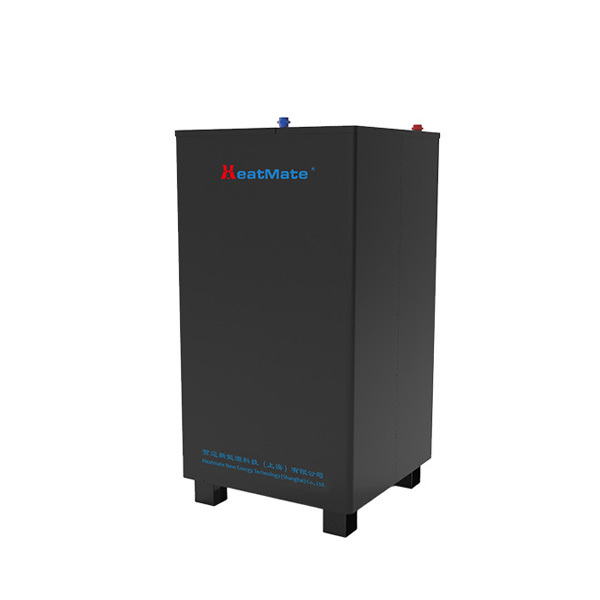
Exploring Non-Electric Outdoor Heating Equipment for Sustainable Energy Solutions
In the growing field of renewable energy, non-electric outdoor heating equipment is becoming an increasingly viable option for various applications. These systems provide heat without relying on electricity, making them particularly useful in off-grid settings, rural areas, or during power outages. Understanding the different types of non-electric outdoor heating equipment can help industry profes
2026-08-11

Service Hotline:

Shanghai (Headquarters)
398 Songying Road, Qingpu District, Shanghai


Online message
Links: Sunman New Energy | CATL | State Grid | HeatMate New Energy Technology (Hong Kong) Co., Ltd.