







Exploring the Benefits and Applications of Steam Hot Pools in Renewable Energy
2026-03-21
Steam hot pools, often associated with geothermal energy, are natural or artificially created bodies of water that are heated by geothermal energy sources. In the realm of renewable energy, steam hot pools serve as an intriguing option for harnessing thermal energy. Their significance extends beyond mere heating; they can be instrumental in various industrial applications, especially in metallurgy
Steam hot pools, often associated with geothermal energy, are natural or artificially created bodies of water that are heated by geothermal energy sources. In the realm of renewable energy, steam hot pools serve as an intriguing option for harnessing thermal energy. Their significance extends beyond mere heating; they can be instrumental in various industrial applications, especially in metallurgy and mining operations where efficient energy usage is paramount.
One of the primary advantages of steam hot pools is their ability to provide a consistent and sustainable source of heat. This heat can be utilized for numerous processes, such as ore extraction and processing in the mining industry. By tapping into the thermal energy from steam hot pools, businesses can reduce their reliance on fossil fuels and lower their carbon footprint, aligning with global sustainability goals.
In solar energy applications, steam hot pools can be integrated into solar thermal systems. These systems capture solar energy and convert it into heat, which can then be used to generate steam for electricity production. The combination of solar energy and steam hot pools represents a dual approach to harnessing renewable resources, enhancing overall efficiency and output while minimizing environmental impact.
Additionally, steam hot pools can play a vital role in providing heat for industrial processes outside of energy generation. Many manufacturing processes, particularly in the metallurgy sector, require significant amounts of heat. Utilizing steam hot pools can lead to operational cost savings and improved energy efficiency. It also offers a stable heating source that can help mitigate the challenges posed by fluctuating energy prices.
Moreover, the development of infrastructure around steam hot pools can stimulate local economies. As industries seek to implement more sustainable practices, the demand for geothermal resources may create job opportunities and promote economic growth in regions rich in these natural formations.
In summary, steam hot pools present a valuable opportunity for industries engaged in metallurgy, mining, and renewable energy. Their ability to provide sustainable thermal energy can enhance efficiency, reduce environmental impacts, and promote economic development. As the world continues to shift towards renewable energy, understanding and leveraging the potential of steam hot pools will be crucial for industries aiming to thrive in a more sustainable future.
One of the primary advantages of steam hot pools is their ability to provide a consistent and sustainable source of heat. This heat can be utilized for numerous processes, such as ore extraction and processing in the mining industry. By tapping into the thermal energy from steam hot pools, businesses can reduce their reliance on fossil fuels and lower their carbon footprint, aligning with global sustainability goals.
In solar energy applications, steam hot pools can be integrated into solar thermal systems. These systems capture solar energy and convert it into heat, which can then be used to generate steam for electricity production. The combination of solar energy and steam hot pools represents a dual approach to harnessing renewable resources, enhancing overall efficiency and output while minimizing environmental impact.
Additionally, steam hot pools can play a vital role in providing heat for industrial processes outside of energy generation. Many manufacturing processes, particularly in the metallurgy sector, require significant amounts of heat. Utilizing steam hot pools can lead to operational cost savings and improved energy efficiency. It also offers a stable heating source that can help mitigate the challenges posed by fluctuating energy prices.
Moreover, the development of infrastructure around steam hot pools can stimulate local economies. As industries seek to implement more sustainable practices, the demand for geothermal resources may create job opportunities and promote economic growth in regions rich in these natural formations.
In summary, steam hot pools present a valuable opportunity for industries engaged in metallurgy, mining, and renewable energy. Their ability to provide sustainable thermal energy can enhance efficiency, reduce environmental impacts, and promote economic development. As the world continues to shift towards renewable energy, understanding and leveraging the potential of steam hot pools will be crucial for industries aiming to thrive in a more sustainable future.
Key words:
Related News
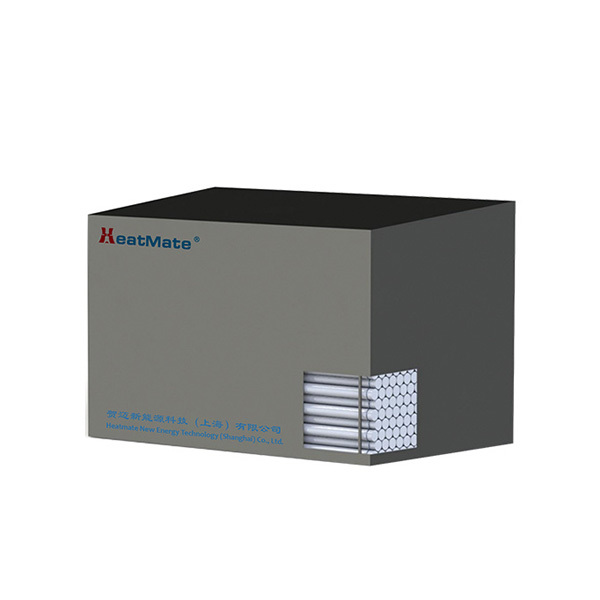
Understanding Phase Change Heating: An Innovative Approach in Renewable Energy
Phase change heating refers to the use of phase change materials (PCMs) to store and release thermal energy during the transition between solid and liquid states. This unique characteristic of PCMs makes them invaluable in various applications, particularly in the renewable energy sector. As industries strive to enhance energy efficiency and reduce environmental impact, understanding the potential
2026-08-21

Outdoor Heating Equipment: Enhancing Your Outdoor Experience for Year-Round Comfort
Outdoor Heating Equipment: Enhancing Your Outdoor Experience for Year-Round Comfort
Outdoor spaces have become integral to our lifestyle, offering a venue for relaxation, entertainment, and socializing. However, enjoying these areas during colder months can be challenging. Enter outdoor heating equipment—an essential addition that allows us to extend our outdoor enjoyment throughout the year. This
2026-08-16
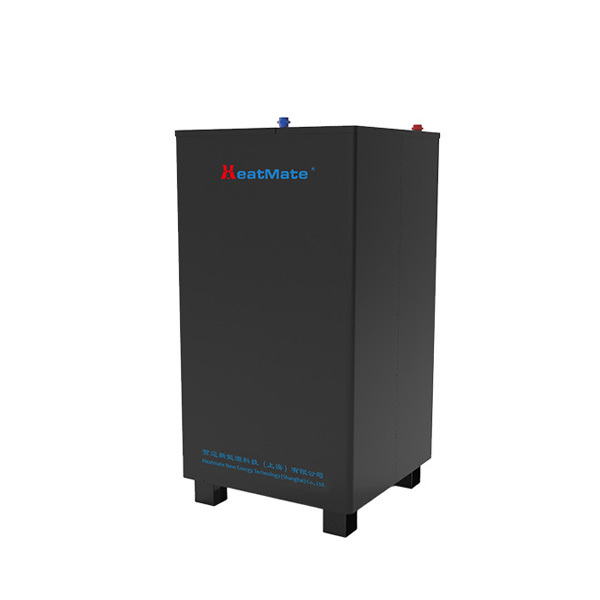
Exploring Non-Electric Outdoor Heating Equipment for Sustainable Energy Solutions
In the growing field of renewable energy, non-electric outdoor heating equipment is becoming an increasingly viable option for various applications. These systems provide heat without relying on electricity, making them particularly useful in off-grid settings, rural areas, or during power outages. Understanding the different types of non-electric outdoor heating equipment can help industry profes
2026-08-11

Service Hotline:

Shanghai (Headquarters)
398 Songying Road, Qingpu District, Shanghai


Online message
Links: Sunman New Energy | CATL | State Grid | HeatMate New Energy Technology (Hong Kong) Co., Ltd.