







Understanding Phase Change Heating: A Key to Renewable Energy Efficiency
2026-03-11
Phase change heating is an innovative technology that leverages the principles of thermal energy storage through phase change materials (PCMs). These materials absorb and release thermal energy during phase transitions, typically between solid and liquid states. This capability makes phase change heating particularly advantageous in optimizing energy consumption and improving efficiency in various
Phase change heating is an innovative technology that leverages the principles of thermal energy storage through phase change materials (PCMs). These materials absorb and release thermal energy during phase transitions, typically between solid and liquid states. This capability makes phase change heating particularly advantageous in optimizing energy consumption and improving efficiency in various applications, including renewable energy systems.
In the context of metallurgy and mining, phase change heating can significantly contribute to energy efficiency. By utilizing PCMs, industries can effectively manage heat during processing and storage, reducing the reliance on traditional heating methods that often involve higher operational costs and energy consumption. For example, when excess heat is generated during metal smelting or processing, PCMs can store this heat and release it later when needed, thereby stabilizing temperatures and minimizing energy wastage.
The integration of phase change heating technologies is particularly beneficial in solar energy applications. Solar thermal systems can incorporate PCMs to store energy during peak sunlight hours and release it when demand is high or sunlight is insufficient. This not only enhances the overall efficiency of solar systems but also promotes energy independence by effectively balancing supply and demand.
Furthermore, the application of phase change heating extends beyond energy storage. In many renewable energy setups, maintaining optimal temperatures is crucial for equipment performance and longevity. PCMs can help regulate these temperatures, ensuring that systems operate within desired parameters, thereby reducing wear and prolonging life cycles of equipment.
In addition to its practical benefits, phase change heating contributes to sustainability efforts within the metallurgy and mining industries. By minimizing energy consumption and enhancing thermal management, PCMs support the development of greener processes, aligning with global initiatives to reduce carbon footprints and promote renewable energy sources.
As industries continue to face challenges related to energy efficiency and environmental impact, understanding and implementing phase change heating technologies will be essential. It represents a forward-thinking solution that not only addresses immediate energy needs but also supports long-term sustainability goals.
In conclusion, phase change heating is a transformative technology that holds significant promise for improving energy efficiency in the metallurgy and mining sectors. By integrating PCMs into renewable energy systems, industries can optimize thermal management, minimize energy consumption, and contribute to sustainable practices, ensuring a more efficient and environmentally friendly future.
In the context of metallurgy and mining, phase change heating can significantly contribute to energy efficiency. By utilizing PCMs, industries can effectively manage heat during processing and storage, reducing the reliance on traditional heating methods that often involve higher operational costs and energy consumption. For example, when excess heat is generated during metal smelting or processing, PCMs can store this heat and release it later when needed, thereby stabilizing temperatures and minimizing energy wastage.
The integration of phase change heating technologies is particularly beneficial in solar energy applications. Solar thermal systems can incorporate PCMs to store energy during peak sunlight hours and release it when demand is high or sunlight is insufficient. This not only enhances the overall efficiency of solar systems but also promotes energy independence by effectively balancing supply and demand.
Furthermore, the application of phase change heating extends beyond energy storage. In many renewable energy setups, maintaining optimal temperatures is crucial for equipment performance and longevity. PCMs can help regulate these temperatures, ensuring that systems operate within desired parameters, thereby reducing wear and prolonging life cycles of equipment.
In addition to its practical benefits, phase change heating contributes to sustainability efforts within the metallurgy and mining industries. By minimizing energy consumption and enhancing thermal management, PCMs support the development of greener processes, aligning with global initiatives to reduce carbon footprints and promote renewable energy sources.
As industries continue to face challenges related to energy efficiency and environmental impact, understanding and implementing phase change heating technologies will be essential. It represents a forward-thinking solution that not only addresses immediate energy needs but also supports long-term sustainability goals.
In conclusion, phase change heating is a transformative technology that holds significant promise for improving energy efficiency in the metallurgy and mining sectors. By integrating PCMs into renewable energy systems, industries can optimize thermal management, minimize energy consumption, and contribute to sustainable practices, ensuring a more efficient and environmentally friendly future.
Key words:
Related News
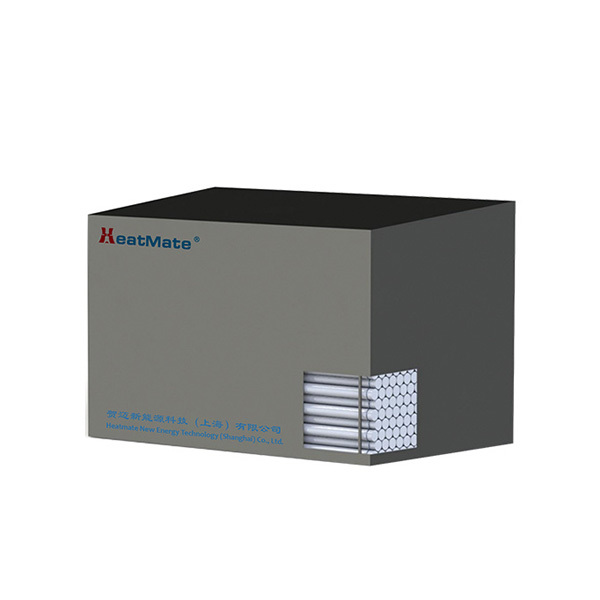
Understanding Phase Change Heating: An Innovative Approach in Renewable Energy
Phase change heating refers to the use of phase change materials (PCMs) to store and release thermal energy during the transition between solid and liquid states. This unique characteristic of PCMs makes them invaluable in various applications, particularly in the renewable energy sector. As industries strive to enhance energy efficiency and reduce environmental impact, understanding the potential
2026-08-21

Outdoor Heating Equipment: Enhancing Your Outdoor Experience for Year-Round Comfort
Outdoor Heating Equipment: Enhancing Your Outdoor Experience for Year-Round Comfort
Outdoor spaces have become integral to our lifestyle, offering a venue for relaxation, entertainment, and socializing. However, enjoying these areas during colder months can be challenging. Enter outdoor heating equipment—an essential addition that allows us to extend our outdoor enjoyment throughout the year. This
2026-08-16
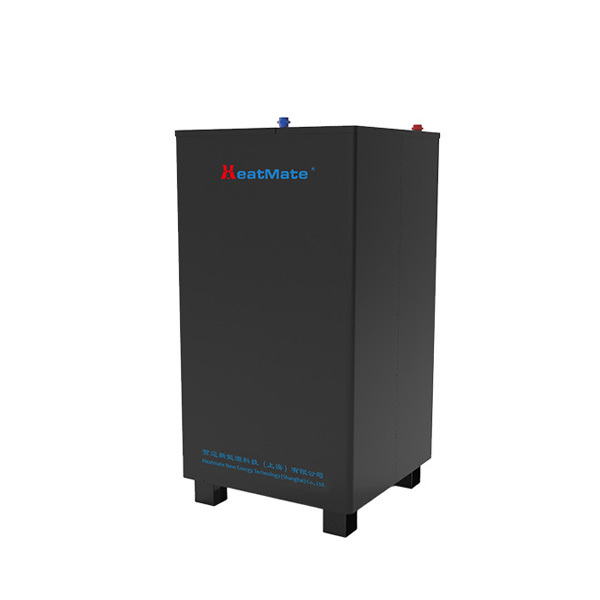
Exploring Non-Electric Outdoor Heating Equipment for Sustainable Energy Solutions
In the growing field of renewable energy, non-electric outdoor heating equipment is becoming an increasingly viable option for various applications. These systems provide heat without relying on electricity, making them particularly useful in off-grid settings, rural areas, or during power outages. Understanding the different types of non-electric outdoor heating equipment can help industry profes
2026-08-11

Service Hotline:

Shanghai (Headquarters)
398 Songying Road, Qingpu District, Shanghai


Online message
Links: Sunman New Energy | CATL | State Grid | HeatMate New Energy Technology (Hong Kong) Co., Ltd.