







Understanding Phase Change Heating: A Key to Sustainable Energy Solutions
2026-01-30
Phase change heating is an innovative technology that utilizes the unique properties of materials as they transition between solid and liquid states to store and release energy efficiently. This concept is gaining significant traction in the renewable energy sector, particularly in applications related to metallurgy and minerals, where energy efficiency and sustainability are paramount.
At its cor
Phase change heating is an innovative technology that utilizes the unique properties of materials as they transition between solid and liquid states to store and release energy efficiently. This concept is gaining significant traction in the renewable energy sector, particularly in applications related to metallurgy and minerals, where energy efficiency and sustainability are paramount.
At its core, phase change heating relies on materials known as phase change materials (PCMs). These substances can absorb, store, and release thermal energy during the process of changing from one phase to another—primarily solid to liquid and vice versa. This characteristic allows PCMs to maintain stable temperatures over extended periods, making them exceptionally valuable for a variety of applications.
In the context of renewable energy, phase change heating can enhance the efficiency of solar energy systems. For instance, concentrated solar power (CSP) systems can integrate PCMs to store excess thermal energy generated during peak sunlight hours. When sunlight diminishes or during non-sunny periods, this stored energy can be released and used for heating or electricity generation, thereby optimizing the overall energy output of the system.
Additionally, phase change heating can be applied in industrial processes within the metallurgy and mineral sectors. Many of these processes require precise temperature control to ensure optimal performance and product quality. Implementing PCMs can provide a stable thermal environment, reducing energy consumption and improving process efficiency. This not only results in cost savings but also aligns with sustainability goals by minimizing the carbon footprint associated with energy use.
Moreover, the use of phase change materials can help manage waste heat in industrial settings. Excess heat produced during metallurgical processes can be captured and stored through PCMs, allowing it to be reused at a later time. This not only enhances energy efficiency but also contributes to a circular approach to energy use, where waste is minimized and resources are recycled.
In summary, phase change heating represents a powerful tool in the pursuit of sustainable energy solutions, particularly in the metallurgy and mineral industries. By harnessing the unique properties of phase change materials, industries can significantly improve energy efficiency, reduce operational costs, and contribute to environmental sustainability. As the demand for renewable energy continues to rise, understanding and implementing phase change heating technologies will be essential for organizations looking to stay competitive and responsible in their energy use.
At its core, phase change heating relies on materials known as phase change materials (PCMs). These substances can absorb, store, and release thermal energy during the process of changing from one phase to another—primarily solid to liquid and vice versa. This characteristic allows PCMs to maintain stable temperatures over extended periods, making them exceptionally valuable for a variety of applications.
In the context of renewable energy, phase change heating can enhance the efficiency of solar energy systems. For instance, concentrated solar power (CSP) systems can integrate PCMs to store excess thermal energy generated during peak sunlight hours. When sunlight diminishes or during non-sunny periods, this stored energy can be released and used for heating or electricity generation, thereby optimizing the overall energy output of the system.
Additionally, phase change heating can be applied in industrial processes within the metallurgy and mineral sectors. Many of these processes require precise temperature control to ensure optimal performance and product quality. Implementing PCMs can provide a stable thermal environment, reducing energy consumption and improving process efficiency. This not only results in cost savings but also aligns with sustainability goals by minimizing the carbon footprint associated with energy use.
Moreover, the use of phase change materials can help manage waste heat in industrial settings. Excess heat produced during metallurgical processes can be captured and stored through PCMs, allowing it to be reused at a later time. This not only enhances energy efficiency but also contributes to a circular approach to energy use, where waste is minimized and resources are recycled.
In summary, phase change heating represents a powerful tool in the pursuit of sustainable energy solutions, particularly in the metallurgy and mineral industries. By harnessing the unique properties of phase change materials, industries can significantly improve energy efficiency, reduce operational costs, and contribute to environmental sustainability. As the demand for renewable energy continues to rise, understanding and implementing phase change heating technologies will be essential for organizations looking to stay competitive and responsible in their energy use.
Key words:
Related News
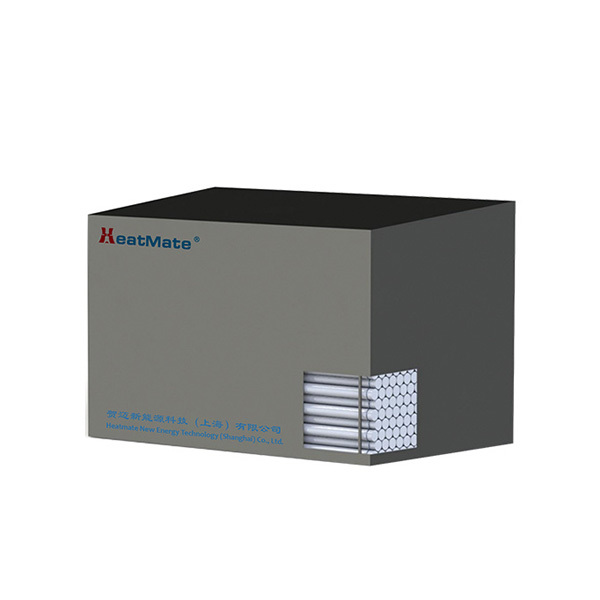
Understanding Phase Change Heating: An Innovative Approach in Renewable Energy
Phase change heating refers to the use of phase change materials (PCMs) to store and release thermal energy during the transition between solid and liquid states. This unique characteristic of PCMs makes them invaluable in various applications, particularly in the renewable energy sector. As industries strive to enhance energy efficiency and reduce environmental impact, understanding the potential
2026-08-21

Outdoor Heating Equipment: Enhancing Your Outdoor Experience for Year-Round Comfort
Outdoor Heating Equipment: Enhancing Your Outdoor Experience for Year-Round Comfort
Outdoor spaces have become integral to our lifestyle, offering a venue for relaxation, entertainment, and socializing. However, enjoying these areas during colder months can be challenging. Enter outdoor heating equipment—an essential addition that allows us to extend our outdoor enjoyment throughout the year. This
2026-08-16
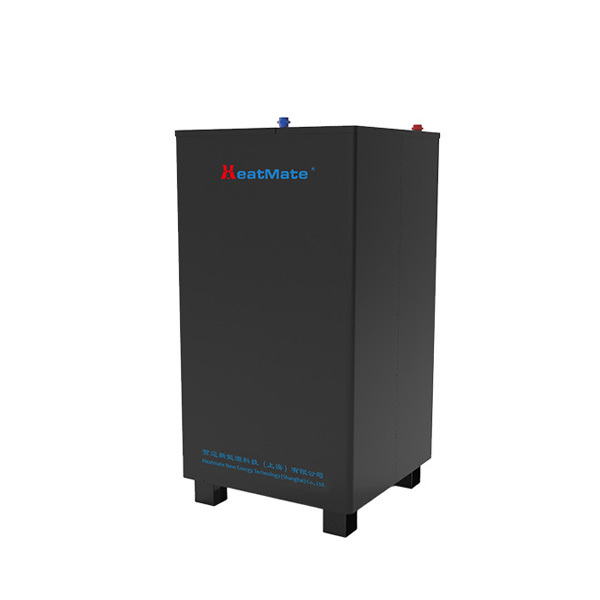
Exploring Non-Electric Outdoor Heating Equipment for Sustainable Energy Solutions
In the growing field of renewable energy, non-electric outdoor heating equipment is becoming an increasingly viable option for various applications. These systems provide heat without relying on electricity, making them particularly useful in off-grid settings, rural areas, or during power outages. Understanding the different types of non-electric outdoor heating equipment can help industry profes
2026-08-11

Service Hotline:

Shanghai (Headquarters)
398 Songying Road, Qingpu District, Shanghai


Online message
Links: Sunman New Energy | CATL | State Grid | HeatMate New Energy Technology (Hong Kong) Co., Ltd.