







Harnessing Phase Change Thermal Storage and Conduction for Enhanced Energy Efficiency
2026-01-09
Phase change thermal storage (PCTS) is an advanced technology that plays a critical role in enhancing energy efficiency, particularly for renewable energy applications. In the context of solar energy and other renewable resources, PCTS systems utilize materials that absorb and store thermal energy during periods of high energy production. These materials change phase—typically from solid to liquid
Phase change thermal storage (PCTS) is an advanced technology that plays a critical role in enhancing energy efficiency, particularly for renewable energy applications. In the context of solar energy and other renewable resources, PCTS systems utilize materials that absorb and store thermal energy during periods of high energy production. These materials change phase—typically from solid to liquid—at specific temperatures, allowing them to store large amounts of energy without significant temperature fluctuations.
One of the primary advantages of phase change materials (PCMs) is their ability to release stored energy when needed, providing a stable energy supply even when renewable energy sources are intermittent. In the metallurgical and mining industries, where energy demand can fluctuate significantly, PCTS offers a way to balance energy supply and demand. By integrating PCTS with solar power systems, companies can capture excess energy generated during the day and utilize it during peak demand times or at night, thereby improving overall energy efficiency.
In addition to thermal storage, conduction plays a vital role in the effectiveness of PCTS systems. Heat conduction is the process of thermal energy transfer through materials, and optimizing conduction pathways within PCTS systems can significantly enhance energy transfer efficiency. By strategically selecting and designing materials, engineers can minimize thermal losses and ensure that energy is effectively stored and retrieved. This is particularly important in applications where rapid heating or cooling is required.
Moreover, advancements in material science have led to the development of new phase change materials that can operate at higher temperatures, making them suitable for industrial applications in the metallurgical sector. These materials not only enhance energy storage capabilities but also contribute to reducing greenhouse gas emissions by lowering reliance on fossil fuels during energy-intensive processes.
To maximize the benefits of phase change thermal storage and conduction, industries should consider integrating these technologies into their energy management systems. This involves assessing energy consumption patterns, identifying suitable applications for PCTS, and investing in research to optimize material properties for specific industrial needs.
In conclusion, phase change thermal storage and conduction present significant opportunities for improving energy efficiency in the metallurgical and mining sectors. By utilizing these innovative technologies, companies can achieve greater sustainability and reduce operational costs while contributing to a greener energy future. Embracing PCTS can be a strategic move towards more resilient and efficient energy systems, aligning with global efforts to transition to renewable energy sources.
One of the primary advantages of phase change materials (PCMs) is their ability to release stored energy when needed, providing a stable energy supply even when renewable energy sources are intermittent. In the metallurgical and mining industries, where energy demand can fluctuate significantly, PCTS offers a way to balance energy supply and demand. By integrating PCTS with solar power systems, companies can capture excess energy generated during the day and utilize it during peak demand times or at night, thereby improving overall energy efficiency.
In addition to thermal storage, conduction plays a vital role in the effectiveness of PCTS systems. Heat conduction is the process of thermal energy transfer through materials, and optimizing conduction pathways within PCTS systems can significantly enhance energy transfer efficiency. By strategically selecting and designing materials, engineers can minimize thermal losses and ensure that energy is effectively stored and retrieved. This is particularly important in applications where rapid heating or cooling is required.
Moreover, advancements in material science have led to the development of new phase change materials that can operate at higher temperatures, making them suitable for industrial applications in the metallurgical sector. These materials not only enhance energy storage capabilities but also contribute to reducing greenhouse gas emissions by lowering reliance on fossil fuels during energy-intensive processes.
To maximize the benefits of phase change thermal storage and conduction, industries should consider integrating these technologies into their energy management systems. This involves assessing energy consumption patterns, identifying suitable applications for PCTS, and investing in research to optimize material properties for specific industrial needs.
In conclusion, phase change thermal storage and conduction present significant opportunities for improving energy efficiency in the metallurgical and mining sectors. By utilizing these innovative technologies, companies can achieve greater sustainability and reduce operational costs while contributing to a greener energy future. Embracing PCTS can be a strategic move towards more resilient and efficient energy systems, aligning with global efforts to transition to renewable energy sources.
Key words:
Related News
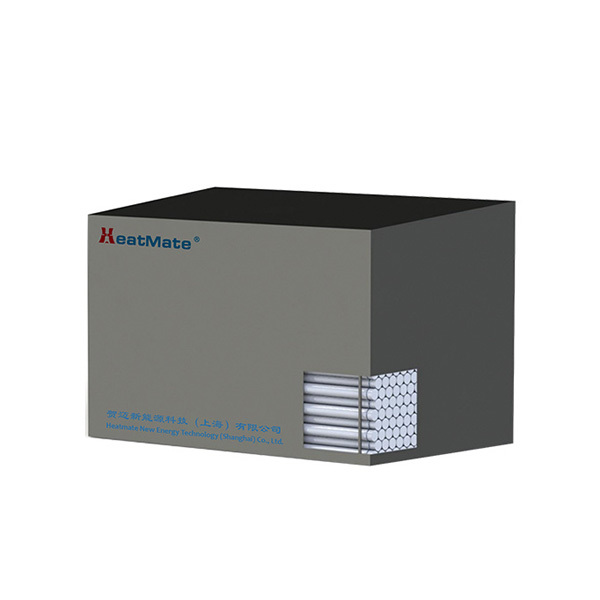
Understanding Phase Change Heating: An Innovative Approach in Renewable Energy
Phase change heating refers to the use of phase change materials (PCMs) to store and release thermal energy during the transition between solid and liquid states. This unique characteristic of PCMs makes them invaluable in various applications, particularly in the renewable energy sector. As industries strive to enhance energy efficiency and reduce environmental impact, understanding the potential
2026-08-21

Outdoor Heating Equipment: Enhancing Your Outdoor Experience for Year-Round Comfort
Outdoor Heating Equipment: Enhancing Your Outdoor Experience for Year-Round Comfort
Outdoor spaces have become integral to our lifestyle, offering a venue for relaxation, entertainment, and socializing. However, enjoying these areas during colder months can be challenging. Enter outdoor heating equipment—an essential addition that allows us to extend our outdoor enjoyment throughout the year. This
2026-08-16
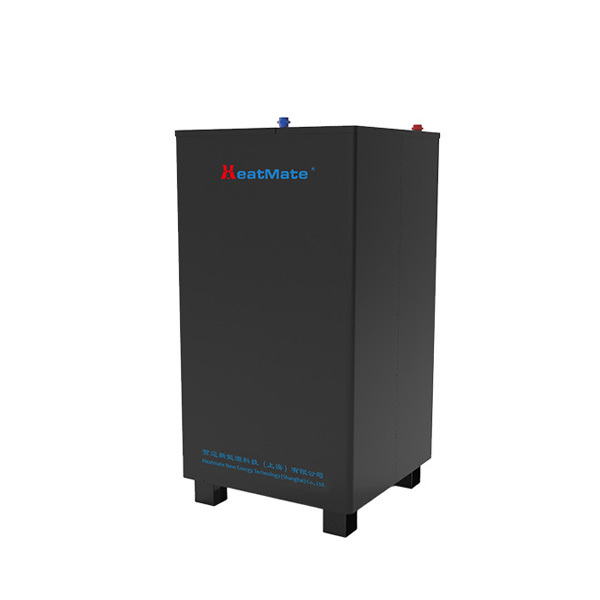
Exploring Non-Electric Outdoor Heating Equipment for Sustainable Energy Solutions
In the growing field of renewable energy, non-electric outdoor heating equipment is becoming an increasingly viable option for various applications. These systems provide heat without relying on electricity, making them particularly useful in off-grid settings, rural areas, or during power outages. Understanding the different types of non-electric outdoor heating equipment can help industry profes
2026-08-11

Service Hotline:

Shanghai (Headquarters)
398 Songying Road, Qingpu District, Shanghai


Online message
Links: Sunman New Energy | CATL | State Grid | HeatMate New Energy Technology (Hong Kong) Co., Ltd.