







Unlocking the Power of Phase Change Cold Storage in Renewable Energy Solutions
2025-12-23
Unlocking the Power of Phase Change Cold Storage in Renewable Energy Solutions
Table of Contents
Introduction to Phase Change Cold Storage
What is Phase Change Cold Storage?
Benefits of Phase Change Cold Storage in Renewable Energy
Applications of Phase Change Cold Storage
Phase Change Cold Storage in Solar Energy Systems
Future of Phase Change Cold Storage in Renewable Energy
Challenges and Solu
Unlocking the Power of Phase Change Cold Storage in Renewable Energy Solutions
Table of Contents
- Introduction to Phase Change Cold Storage
- What is Phase Change Cold Storage?
- Benefits of Phase Change Cold Storage in Renewable Energy
- Applications of Phase Change Cold Storage
- Phase Change Cold Storage in Solar Energy Systems
- Future of Phase Change Cold Storage in Renewable Energy
- Challenges and Solutions in Phase Change Cold Storage
- Conclusion
- Frequently Asked Questions
Introduction to Phase Change Cold Storage
The urgency for sustainable energy solutions has never been more critical. As the world grapples with climate change and dwindling fossil fuel resources, **renewable energy technologies** are at the forefront of the transition to a sustainable future. One of the most promising developments in this realm is **Phase Change Cold Storage (PCCS)**. This innovative technology harnesses the latent heat of phase change materials (PCMs) to store and release energy, thereby optimizing the efficiency and reliability of renewable energy systems.
What is Phase Change Cold Storage?
Phase Change Cold Storage involves the use of materials that **absorb or release energy** as they transition between solid and liquid states. This process allows for the efficient storage of thermal energy, which can be harnessed when needed. For example, during periods of high energy production from renewable sources like solar or wind, excess energy can be utilized to cool PCM storage units, thus preserving energy for later use.
###
The Science Behind Phase Change Materials
The heart of PCCS lies in the **phase change materials** used in the process. PCMs have specific melting and solidifying points, and they store thermal energy during the phase transition—when they change from solid to liquid or vice versa. This ability to store substantial amounts of energy in a relatively small volume makes PCMs an attractive solution for energy storage in renewable systems.
Benefits of Phase Change Cold Storage in Renewable Energy
The integration of Phase Change Cold Storage into renewable energy systems brings numerous benefits:
###
1. Enhanced Energy Efficiency
By storing excess energy generated during peak production times, PCCS allows for **smoother energy distribution** and reduces waste.
###
2. Cost-Effectiveness
PCCS can significantly lower operational costs by utilizing existing energy more effectively, leading to reduced reliance on expensive peak energy sources.
###
3. Grid Stability
The ability to store energy and release it according to demand can help stabilize the grid, making renewable energy sources more reliable and easier to integrate into existing infrastructures.
###
4. Environmental Benefits
By maximizing the efficiency of renewable energy systems, PCCS contributes to reducing greenhouse gas emissions, thereby supporting global sustainability goals.
Applications of Phase Change Cold Storage
Phase Change Cold Storage has a wide array of applications across various sectors:
###
1. Residential Cooling Systems
In residential settings, PCCS can be utilized for **air conditioning** systems, storing cool energy during the night and releasing it during the day, thus optimizing electricity use.
###
2. Industrial Refrigeration
Industries with high refrigeration needs can benefit from PCCS to manage energy demand and improve operational efficiency.
###
3. Food Preservation
The food industry can leverage PCCS to maintain optimal temperatures during storage and transportation, ensuring food quality and safety while minimizing energy costs.
###
4. Renewable Energy Plants
PCCS can be integrated into solar and wind farms, enabling these facilities to store energy generated during peak production for use during low production times.
Phase Change Cold Storage in Solar Energy Systems
Solar energy systems stand to gain immensely from the incorporation of Phase Change Cold Storage. The main advantages include:
###
1. Load Shifting
PCCS enables solar energy systems to shift energy consumption to off-peak hours, optimizing the load on the grid and enabling better energy management.
###
2. Increased System Lifespan
By managing temperature fluctuations, PCCS helps to improve the lifespan of solar components, enhancing the long-term viability of solar energy systems.
###
3. Economic Viability
Incorporating PCCS can increase the economic feasibility of solar installations by providing an alternative revenue stream through energy storage.
Future of Phase Change Cold Storage in Renewable Energy
As the demand for renewable energy solutions continues to grow, the future of Phase Change Cold Storage looks promising. Ongoing research and innovation in PCM technology are expected to yield more efficient materials with higher energy storage capabilities. These advancements will further enhance the viability and integration of PCCS in various renewable energy applications.
###
Emerging Trends
The development of **smart PCCS systems** that can automatically adjust to energy demands and environmental conditions is on the horizon, making them even more effective in energy management.
Challenges and Solutions in Phase Change Cold Storage
Despite its advantages, there are challenges associated with the implementation of Phase Change Cold Storage. Addressing these challenges is crucial for advancing this technology:
###
1. Material Limitations
While PCMs are effective, they can be expensive and may have limited thermal conductivity. Ongoing research is focused on discovering more cost-effective, high-performance materials.
###
2. Integration with Existing Systems
Integrating PCCS with current energy systems can be complex. Developing standardized protocols and modular solutions can facilitate smoother integration.
###
3. Public Awareness and Acceptance
Educating the public and industry stakeholders about the benefits and functionalities of PCCS is essential for widespread adoption. Awareness campaigns and pilot projects can help in this regard.
Conclusion
Phase Change Cold Storage represents a groundbreaking solution for enhancing the efficiency and reliability of renewable energy systems. By leveraging the unique properties of PCMs, we can significantly improve energy management, reduce costs, and contribute to a more sustainable future. As research and development in this field continue to evolve, the integration of PCCS into various applications will likely expand, paving the way for a resilient and eco-friendly energy landscape.
Frequently Asked Questions
1. What are Phase Change Materials?
Phase Change Materials are substances that absorb and release thermal energy during phase transitions, typically from solid to liquid or vice versa.
2. How does Phase Change Cold Storage work?
PCCS works by storing excess energy as thermal energy in PCMs during peak production times and releasing it when energy demand is high.
3. What are the benefits of using PCCS in renewable energy?
PCCS enhances energy efficiency, reduces costs, stabilizes the grid, and contributes to environmental sustainability.
4. Where can PCCS be applied?
PCCS can be applied in residential cooling systems, industrial refrigeration, food preservation, and renewable energy plants.
5. What is the future of Phase Change Cold Storage?
The future of PCCS looks promising with ongoing research aimed at developing more efficient materials and smart systems for better energy management.
Key words:
Related News
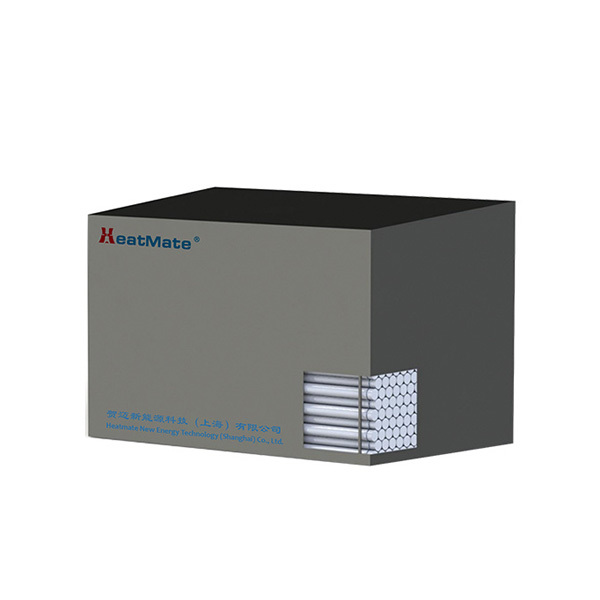
Understanding Phase Change Heating: An Innovative Approach in Renewable Energy
Phase change heating refers to the use of phase change materials (PCMs) to store and release thermal energy during the transition between solid and liquid states. This unique characteristic of PCMs makes them invaluable in various applications, particularly in the renewable energy sector. As industries strive to enhance energy efficiency and reduce environmental impact, understanding the potential
2026-08-21

Outdoor Heating Equipment: Enhancing Your Outdoor Experience for Year-Round Comfort
Outdoor Heating Equipment: Enhancing Your Outdoor Experience for Year-Round Comfort
Outdoor spaces have become integral to our lifestyle, offering a venue for relaxation, entertainment, and socializing. However, enjoying these areas during colder months can be challenging. Enter outdoor heating equipment—an essential addition that allows us to extend our outdoor enjoyment throughout the year. This
2026-08-16
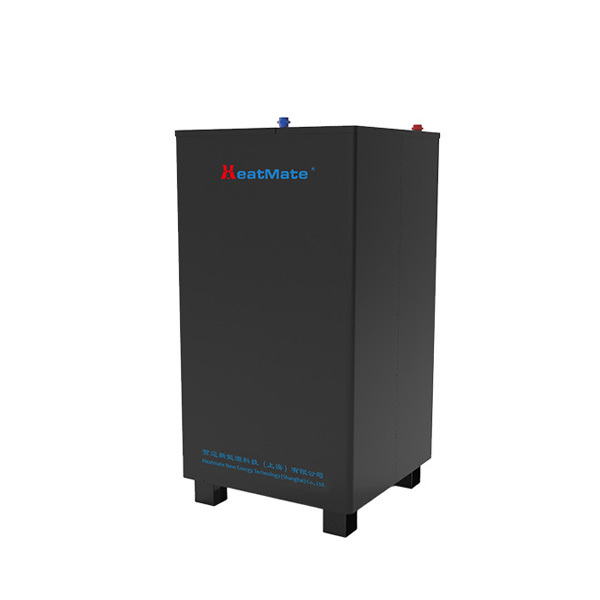
Exploring Non-Electric Outdoor Heating Equipment for Sustainable Energy Solutions
In the growing field of renewable energy, non-electric outdoor heating equipment is becoming an increasingly viable option for various applications. These systems provide heat without relying on electricity, making them particularly useful in off-grid settings, rural areas, or during power outages. Understanding the different types of non-electric outdoor heating equipment can help industry profes
2026-08-11

Service Hotline:

Shanghai (Headquarters)
398 Songying Road, Qingpu District, Shanghai


Online message
Links: Sunman New Energy | CATL | State Grid | HeatMate New Energy Technology (Hong Kong) Co., Ltd.