







Exploring Non-Electric Outdoor Heating Equipment for Sustainable Living
2026-03-01
Non-electric outdoor heating equipment encompasses a range of devices designed to provide warmth without relying on electrical power sources. These systems are particularly appealing for outdoor gatherings, camping, or in situations where electricity is unavailable. By utilizing alternative energy sources or methods, they provide an effective means for heat generation while minimizing environmenta
Non-electric outdoor heating equipment encompasses a range of devices designed to provide warmth without relying on electrical power sources. These systems are particularly appealing for outdoor gatherings, camping, or in situations where electricity is unavailable. By utilizing alternative energy sources or methods, they provide an effective means for heat generation while minimizing environmental impact.
One of the most common types of non-electric outdoor heating equipment is the traditional wood-burning fire pit. Fire pits not only create a cozy atmosphere but also serve as an effective heating source. They utilize renewable wood resources, making them a sustainable choice when managed responsibly. By burning seasoned wood, users can reduce smoke emissions and increase efficiency.
In addition to fire pits, outdoor propane heaters are another popular option. These heaters rely on propane gas and can be easily transported, making them ideal for outdoor events. They produce instant heat and can quickly warm up surrounding areas. While propane is a fossil fuel, it is more efficient than electricity in many applications, and its portability adds to its appeal.
For those looking for a more innovative approach, solar-powered outdoor heaters are gaining traction. These systems harness sunlight to generate heat, making them an excellent option for eco-conscious consumers. By utilizing solar panels, these heaters can store energy during the day and release it in the evening, providing a sustainable solution for outdoor heating that aligns with renewable energy principles.
Another noteworthy option is the use of thermal mass heating. This involves using materials that absorb and store heat from the sun during the day, releasing it slowly at night. Structures built with materials like stone or concrete can significantly increase outdoor comfort without the need for electric heating solutions, making them a great investment for those focused on sustainability.
When considering non-electric outdoor heating equipment, it's essential to evaluate the specific needs of the environment and the intended use. Factors such as space, heat output, and safety should be taken into account. Additionally, understanding local regulations regarding outdoor heating can help ensure compliance and promote safe usage.
In conclusion, non-electric outdoor heating equipment provides numerous benefits for those seeking sustainable heating solutions. From traditional fire pits to innovative solar heaters, these options allow individuals to enjoy the outdoors while minimizing their carbon footprint. By exploring these alternatives, consumers can find effective heating methods that align with their values and the growing movement towards renewable energy.
One of the most common types of non-electric outdoor heating equipment is the traditional wood-burning fire pit. Fire pits not only create a cozy atmosphere but also serve as an effective heating source. They utilize renewable wood resources, making them a sustainable choice when managed responsibly. By burning seasoned wood, users can reduce smoke emissions and increase efficiency.
In addition to fire pits, outdoor propane heaters are another popular option. These heaters rely on propane gas and can be easily transported, making them ideal for outdoor events. They produce instant heat and can quickly warm up surrounding areas. While propane is a fossil fuel, it is more efficient than electricity in many applications, and its portability adds to its appeal.
For those looking for a more innovative approach, solar-powered outdoor heaters are gaining traction. These systems harness sunlight to generate heat, making them an excellent option for eco-conscious consumers. By utilizing solar panels, these heaters can store energy during the day and release it in the evening, providing a sustainable solution for outdoor heating that aligns with renewable energy principles.
Another noteworthy option is the use of thermal mass heating. This involves using materials that absorb and store heat from the sun during the day, releasing it slowly at night. Structures built with materials like stone or concrete can significantly increase outdoor comfort without the need for electric heating solutions, making them a great investment for those focused on sustainability.
When considering non-electric outdoor heating equipment, it's essential to evaluate the specific needs of the environment and the intended use. Factors such as space, heat output, and safety should be taken into account. Additionally, understanding local regulations regarding outdoor heating can help ensure compliance and promote safe usage.
In conclusion, non-electric outdoor heating equipment provides numerous benefits for those seeking sustainable heating solutions. From traditional fire pits to innovative solar heaters, these options allow individuals to enjoy the outdoors while minimizing their carbon footprint. By exploring these alternatives, consumers can find effective heating methods that align with their values and the growing movement towards renewable energy.
Key words:
Related News
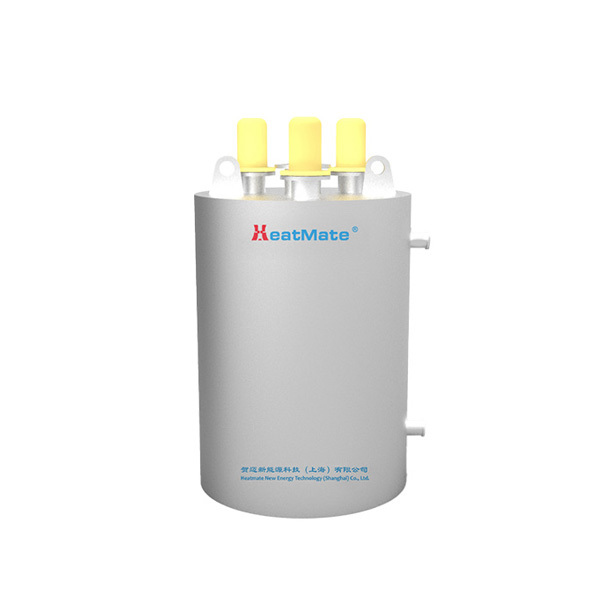
Exploring the Benefits and Applications of Steam Hot Pools in Renewable Energy
Steam hot pools, often associated with geothermal energy, are natural or artificially created bodies of water that are heated by geothermal energy sources. In the realm of renewable energy, steam hot pools serve as an intriguing option for harnessing thermal energy. Their significance extends beyond mere heating; they can be instrumental in various industrial applications, especially in metallurgy
2026-03-21

Understanding Phase Change Cold Storage: A Game Changer for the Solar Industry
Understanding Phase Change Cold Storage: A Game Changer for the Solar Industry
The advancement of technology in the solar industry has opened up a world of possibilities for sustainable energy solutions. One of the most promising developments is **phase change cold storage (PCCS)**. As we delve into this topic, we will explore how PCCS can significantly enhance the effectiveness and reliability of
2026-03-16
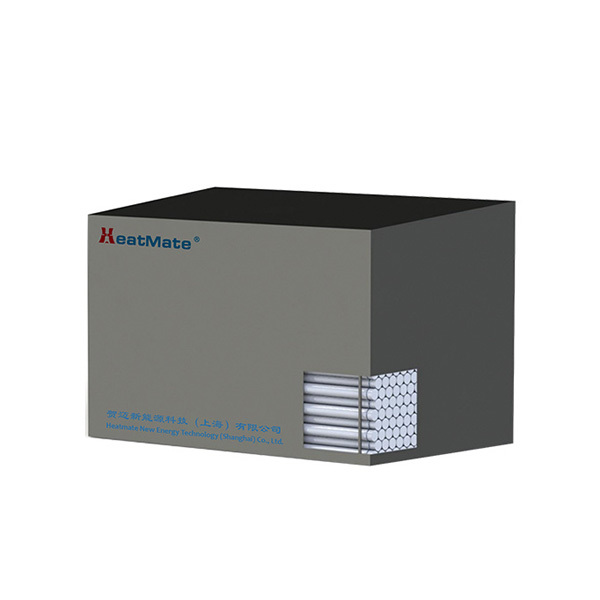
Understanding Phase Change Heating: A Key to Renewable Energy Efficiency
Phase change heating is an innovative technology that leverages the principles of thermal energy storage through phase change materials (PCMs). These materials absorb and release thermal energy during phase transitions, typically between solid and liquid states. This capability makes phase change heating particularly advantageous in optimizing energy consumption and improving efficiency in various
2026-03-11

Service Hotline:

Shanghai (Headquarters)
398 Songying Road, Qingpu District, Shanghai


Online message
Links: Sunman New Energy | CATL | State Grid | HeatMate New Energy Technology (Hong Kong) Co., Ltd.